Energy company Acelen has partnered with plant micropropagation research and development specialist MulticanaPlus to develop macaúba as a biofuel feedstock, Biofuels Digest reported on 11 February.
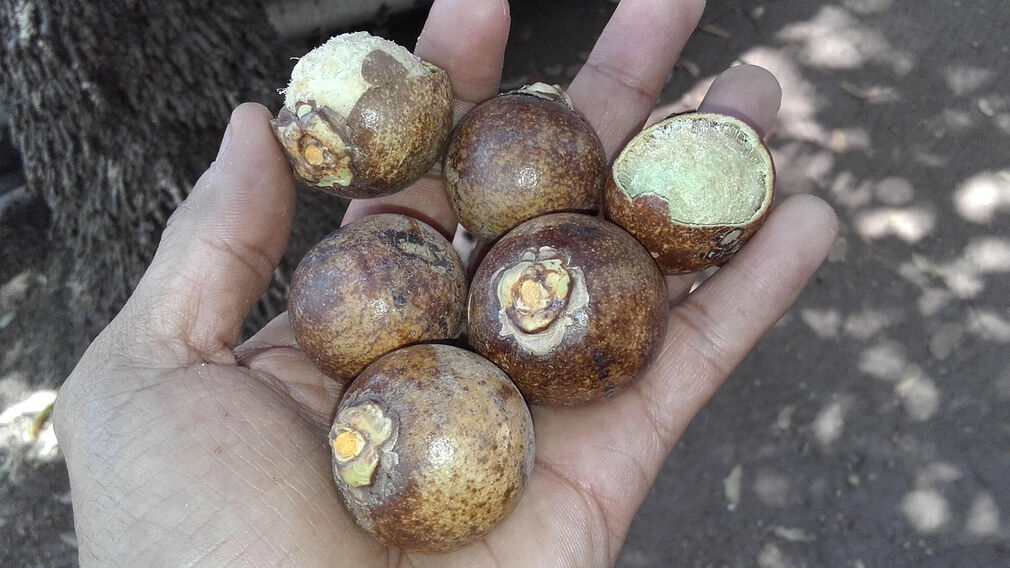
A native tree in Brazil, macaúba or Acrocomia aculeata is adapted to semi-arid conditions and low-quality soils and its fruits can be processed into pulp oil, kernel oil and residual biomass.
The project was expected to produce 1bn litres of renewable diesel and sustainable aviation fuel (SAF)/year from cloned macaúba seedlings, Acelen said in a press release.
As part of the project, Acelen said it would plant macaúba trees on 180,000ha, with priority given to degraded areas.
The project would involve the creation of genetically identical copies of superior plants to reproduce desirable characteristics, such as resistance to stress and high production potential, the company said.
“Cloning palm seedlings is a complex and detailed process and only a few laboratories worldwide have managed to master this technology,” MulticanaPlus CEO Alewijn Broere said. “MulticanaPlus has experience in developing plant cloning protocols through somatic embryogenesis, in addition to mastering this protocol for the production of coffee and cocoa seedlings. The company has also had success in the past with the açaí palm seedling protocol. We are confident that, with our experience, we are able to assist Acelen in this project of producing renewable diesel from cloned macauba seedlings, and combine this technology with automated production processes.”