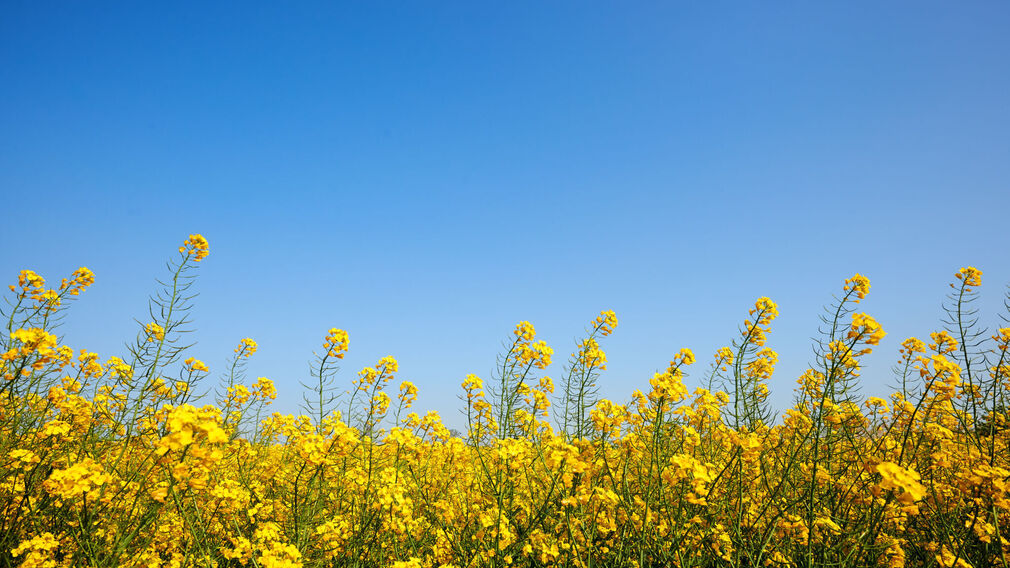
Global agribusiness giant ADM and German chemical company Bayer have extended their regenerative agriculture partnership following the completion of a year-long rapeseed study in Poland, World Grain wrote.
As part of the study into the impact of regenerative agriculture in curbing carbon emissions, increasing biodiversity and improving soil health, the companies worked with rapeseed farmers covering approximately 9,000ha in Poland, the 13 June report said.
An in-depth on-farm risk assessment was conducted to evaluate carbon emission reduction potential while developing grower-specific roadmaps for the transition to regenerative agriculture.
The preliminary assessment showed that carbon emissions from the farmland relying on at least one regenerative agricultural practice were 15% lower than those of conventional farms, World Grain wrote.
According to the analysis, emission reduction could be up to 40% for farmers comprehensively adopting regenerative agriculture practices.
“Our research shows that a significant majority of consumers would be more likely to trust and purchase from retailers and brands that implement regenerative agriculture practices, and by coming together with … partners like Bayer, we’re helping farmers … meet that demand,” ADM director of climate smart agriculture origination Candy Siekmann was quoted as saying.
As part of the next stage of the partnership, the programme would be expanded into a broader range of crops such as corn, wheat and barley, and geographically across Eastern Europe, the report said.
Farmers would be provided with financial and technical support to introduce qualifying regenerative agriculture practices, including minimum tillage, cover crops, companion crops, nutrient management, use of organic matter/manure and crop rotation.
ADM would compensate participating farmers for each qualifying hectare, measured and verified using Bayer’s digital capabilities in collaboration with Trinity Agtech’s Sandy platform.
In addition to financial support, participating farmers would receive agronomic guidance from specialised professionals.
The 2023 feasibility programme was critical to shaping a larger-scale effort, the companies said, and listening to the perspectives of growers was important to ensure all factors specific to the local region were considered.
Primary data collection for greenhouse gas emission calculations and soil analysis with carbon sequestration measurement allowed the growers, ADM and Bayer to analyse environmental impacts and potential emission reduction opportunities as the programme expanded, the report said.
“Developing a project with ADM in Europe on regenerative agriculture … showcases the importance of building a robust and committed value chain approach, where all players work for a common goal,” Bayer carbon business lead, EMEA, Lionnel Alexandre was quoted as saying.