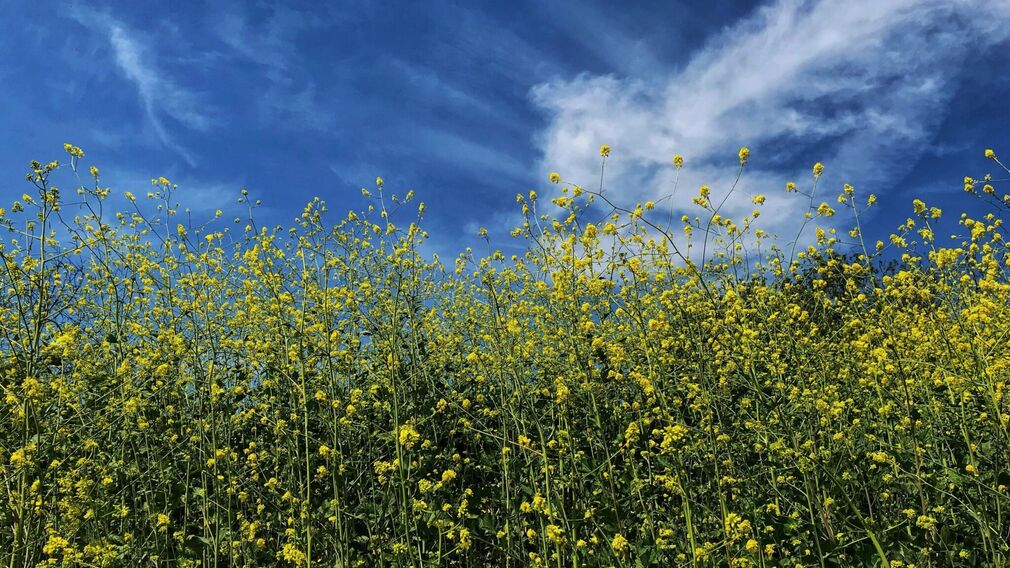
German chemical and biotech giant BASF is hoping to win approval from Canadian and US agencies for its drought-resistant genetically modified (GM) mustard plant, according to a Reuters report.
If approved, the company aimed to commercialise its mustard-canola hybrid InVigor Gold next year in the USA and a few years later in Canada, the 2 April report said.
Mustard and rapeseed belong to the same Brassica plant genus but mustard seeds are usually used whole, ground into spice, or made into mustard condiments.
while canola is bred from rapeseed to produce a mild, low erucic acid oil that is widely used for cooking.
While mustard is a tiny crop in Canada, with production typically less than 200,000 tonnes/year, farmers plant more than 8.09Mha/year of canola, with production volumes of at least 19M tonnes/year, according to the report.
Brent Collins, head of BASF’s seeds and traits division in Canada, was quoted as saying the GM mustard crop would “unlock new canola acres, helping meet market demand”.
However, although the GM mustard plant looked almost identical to a traditional mustard plant and produced canola-like oil, it was not without risks, Reuters wrote.
Neighbouring fields could be contaminated with seeds and pollen carried by wind or bees. In addition, as traditional brown, oriental mustards and the new mustard canola were all brassica junceas, they could breed, with pollen from one type fertilising the other.
According to BASF, with safeguards against pollen flow and seed spread between mustard and canola fields, more than 2M acres (809,000ha) of its mustard-canola could be grown in arid areas of Canada and the USA.
However, some global importers, such as France – which sourced about half its mustard supplies from Canada – had a strict non-GM standard and Canadian mustard growers and sellers were concerned trade could be impacted if traces of the hybrid mustard-canola were detected, the report said.
BASF Agricultural Solutions also announced on 31 March that it had completed its acquisition of US biological crop protection company AgBiTech.
AgBiTech has a global presence with manufacturing facilities in the USA, Australia, and Brazil, with a strong footprint in the latter.
The acquisition was expected to enable BASF to scale AgBiTech’s biological technologies globally and integrate them into BASF’s crop protection portfolio, the company said.
“Acquiring AgBiTech strengthens our position in this … segment and complements our existing portfolio with proven biological technologies,” said Livio Tedeschi, President of BASF Agricultural Solutions.