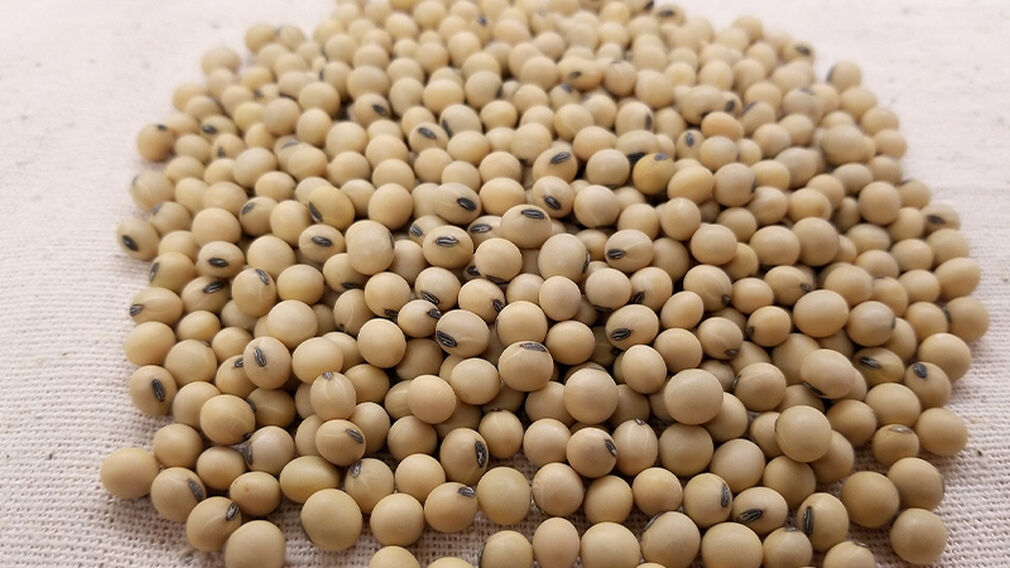
Global agribusiness giant Bunge, Brazil’s state-run oil company Petrobras and Brazilian fuel distributor Vibra Energia (Vibra) are producing sustainable aviation fuel (SAF) from Brazilian soyabeans certified as having low indirect land use change (low-iLUC) risk under the international ISCC CORSIA PLUS protocol.
The initiative demonstrated that Brazilian soyabeans had the potential to be a sustainable raw material solution at scale to help meet local and international decarbonisation mandates, Bunge said on 17 June.
As part of the partnership, Bunge was responsible for the origination and certification of soyabeans and the vegetable oil production at its crushing unit in Rondonópolis, while Petrobras produced SAF at its unit in Duque de Caxias by co-processing the oil with a load of mineral origin.
Vibra – via its BR Aviation business unit – was responsible for infrastructure for the distribution and commercialisation of fuel for the airline industry.
The project was expected to produce 4,000m³ of aviation fuel with 1% renewable content and would initially be available at Galeão International Airport, in Rio de Janeiro.