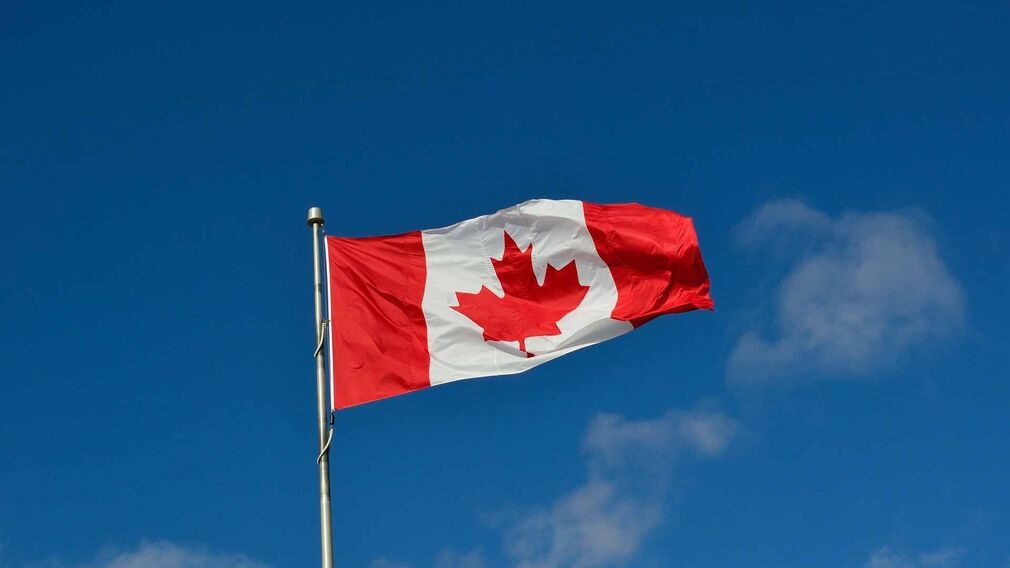
The Canadian government has filed a dispute against China at the World Trade Organization (WTO) over Beijing’s move to impose additional import duties on its agricultural and fishery products.
On 8 March, China announced it would apply a 100% tariff on rapeseed oil, peas and oil cakes for animal feed, while aquatic products and pork faced a 25% levy, the South China Morning Post (SCMP) wrote on 25 March.
Canada is one of the world’s leading canola producers and China has historically been one of its largest importers, according to the SCMP report.
Canadian industry leaders have been quoted as saying that they would be hit hard by the new tariffs, which followed a Beijing investigation into levies imposed by Ottawa on Chinese goods last year.
The tariffs came against a backdrop of Canada and China facing increasing trade tensions with the USA after US President Donald Trump imposed new tariffs on the two countries, the report said.
Canada introduced 100% tariffs on Chinese electric cars in August, matching US measures imposed in a bid to halt the import of Chinese state-subsidised cars into North America, the SCMP wrote.
At the same time, the Canadian government also announced a surcharge on imports of steel and aluminium products from China.
Beijing’s commerce ministry reportedly said an investigation into these measures found that Canadian policies “disrupted the normal trade order and harmed the legitimate rights and interests of Chinese enterprises”.
After complaints are brought before the WTO, consultations are initiated between involved parties.
If no agreement is reached, the complainant can request a special panel, made up of three to five experts, to be set up.