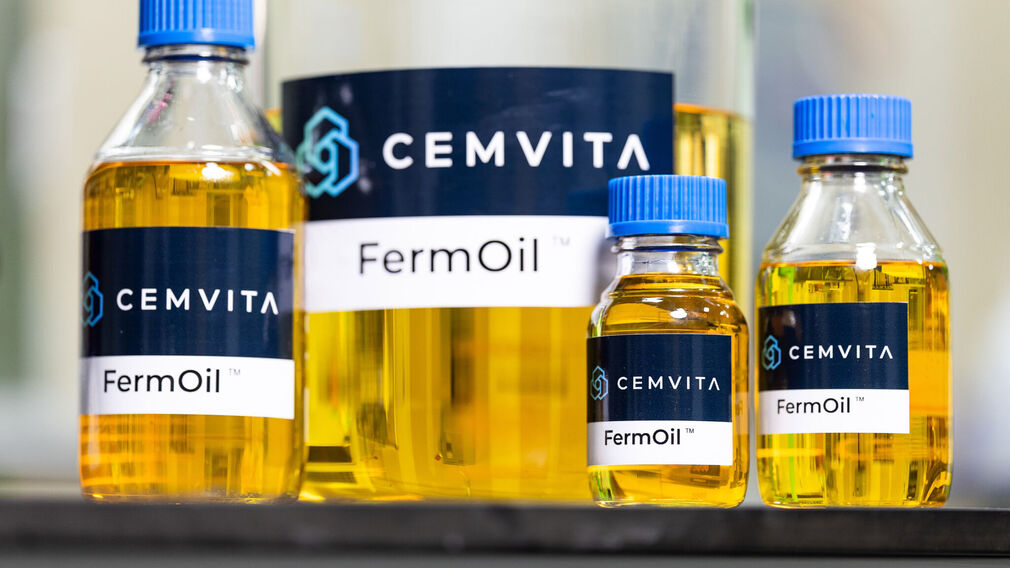
Biotechnology company Cemvita has demonstrated the 75,000-litre industrial scale-up of its FermOil platform using crude glycerine as a feedstock.
Conducted at the Bio Base Europe Pilot Plant (BBEPP) in Ghent, Belgium, the demonstration showed the development of Cemvita’s bio-manufacturing platform from laboratory through to industrial demonstration scale, the company said on 28 May.
“Reaching 75,000 litres while achieving our set target metrics validates the … platform and our readiness for commercialisation,” said Moji Karimi, CEO at Cemvita.
“It [also] demonstrates that carbon-rich effluent streams like crude glycerine can become a scalable foundation for the next generation of sustainable fuels and bio-based materials.”
Prior to reaching the 75,000 litre milestone, Cemvita tested the process through multiple scale-up stages, progressing from bench-scale systems through to 2 litre, 30 litre, 1,500 litre and 15,000 litre fermentations.
While most industrial bio-oil fermentation technologies relied on traditional sugar-based feedstocks, Cemvita’s platform used crude glycerine - an industrial byproduct of biodiesel transesterification - to convert low-value carbon residuals into renewable oils, the company said.
Designed as a drop-in feedstock compatible with existing hydroprocessed esters and fatty acids (HEFA) and co-processing infrastructure, Cemvita’s glycerol-based FermOil can be used to produce sustainable aviation fuel (SAF) and other renewable fuels.
Cemvita uses synthetic biology to turn carbon waste into sustainable oils and inputs for sectors like aviation, agriculture, personal care and industrial manufacturing.
The company said it was in discussion with strategic partners in Brazil, the European Union (EU) and the UK regarding commercial use.
BBEPP is an independent, multi-purpose pilot facility for process development, scale-up and custom manufacturing of bio-based products and processes.