The Chinese government continues to give its support to genetically modified (GM) crops despite public opposition as part of its drive to safeguard its long-term food supply amid rising global instability, according to a Modern Diplomacy report.
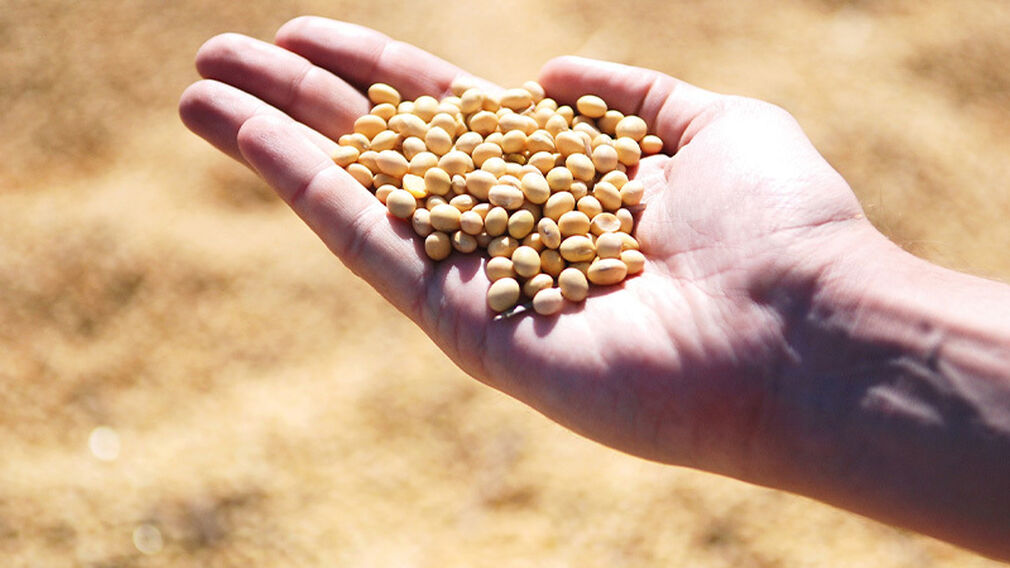
In its Five-Year Agricultural Plan, China has set a target of 770M tonnes/year of grain alongside a push to increase domestic soyabean production to 23M tonnes/year by 2025, the 29 January report said.
As part of its efforts to increase productivity of key grains and oilseeds including corn, rapeseed, soyabeans and wheat, China was expected to continue investing in biotechnology and digital technologies, including GM crops, Modern Diplomacy wrote.
In late 2024, China’s Ministry of Agriculture and Rural Affairs (MARA) awarded safety certificates to 12 types of GM crops including soyabeans, corn and cotton. These moves were an indication of the government’s long-term push to integrate biotechnology into its food security strategy, the report said.
Significant investments were also being made in research and development, particularly in hybrid seed technologies for crops including rice and wheat.
China’s commitment to innovation could be seen in MARA’s 14th Five-Year Agricultural Plan (2021-2025) which promoted the “creation of future foods, such as plant-based eggs”.
However, the country’s agricultural transformation faces challenges, according to the report. In addition to concerns about increasing reliance on imports of key agricultural products such as edible oil, local production has been impacted by extreme weather events.