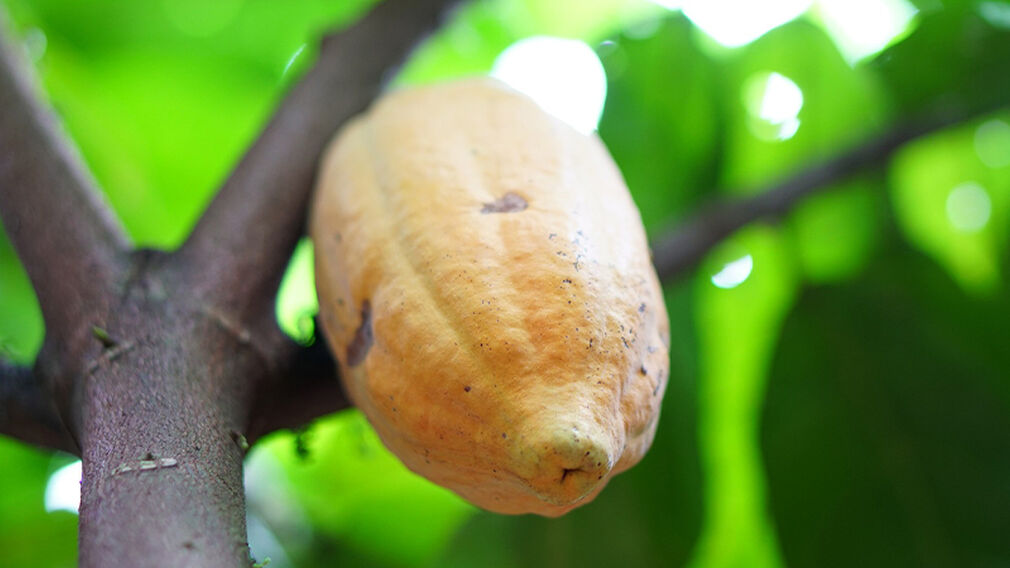
Prices for cocoa and cocoa butter have been declining since the end of August due to strong prospects for the 2025/26 West African harvest, according to a report by Spanish vegetable oil company Lipsa.
The ICCO (International Cocoa Organization) has forecast a potential surplus after last season’s deficit, the 8 October report said.
Despite the decline, prices remained historically high and global supply chain pressures were ongoing, the report said.
However, tariffs would not affect cocoa, which reassured producers and manufacturers in North America, Lipsa wrote.
“Producers are looking to cut costs by reformulating products, particularly in chocolate, with shea butter – a cheaper partial substitute for cocoa butter – seeing rising demand in niche markets despite climate and logistical uncertainties,” Lipsa said.
“If cocoa butter prices keep on declining, they will soon reach the same level as shea stearin prices and make shea stearin less attractive and pressure prices.”
At the time of the report, most shea-producing countries (Nigeria, Burkina Faso, Mali, Côte d’Ivoire and Togo) had export bans in place on the commodity.
These bans were largely unsustainable, as none of these countries – except Ghana – had the facilities to process all of their nuts, the report said.
For example, Nigerian nut production was expected to total around 150,000 tonnes, but only 10,000 tonnes could be processed due to lack of facilities.
Burkina Faso was planning to lifting the ban from 1 December-1 May, but would be introducing prohibitive export duties.
Ghana and Benin did not have export bans at the time of the report but had also introduced prohibitive export duties.
Although the only country capable of process all its nuts, Ghana was planning to introduce an export ban next year.
The Côte d’Ivoire was also expected to lift its ban as the country did not have enough processing facilities but also had high export duties.
“Shea nut prices are currently following diverging trends depending on the country. The market shows significant disparities driven by each country’s regulatory framework,” Lipsa said.
“Overall, the price trend remains upward, as demand is strong while production has been somewhat disappointing in certain areas. Changes in export restrictions are key factors influencing prices.”