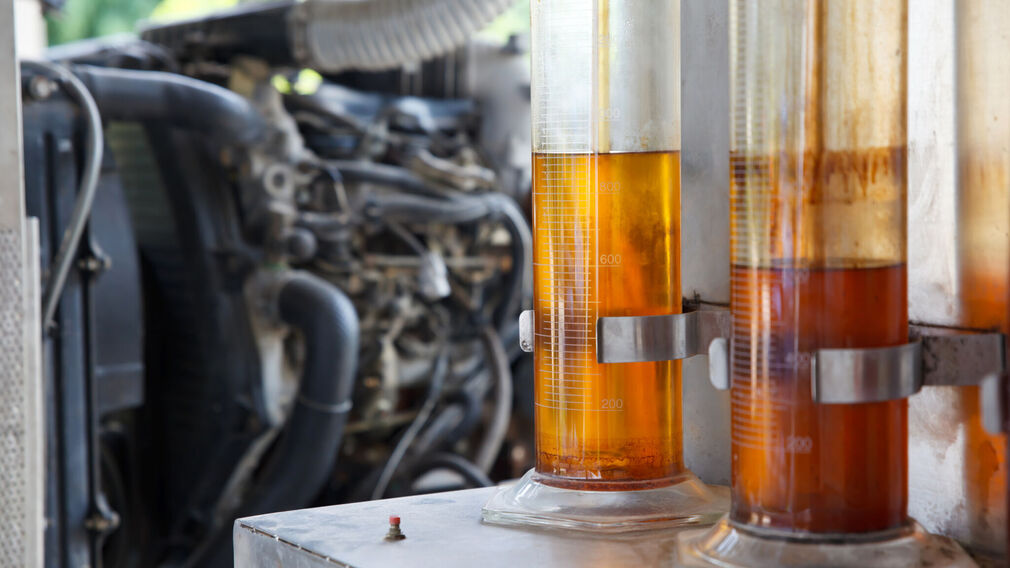
Indonesia has moved closer to launching 50% palm oil-based biodiesel (B50) after concluding laboratory tests, as the country aims for implementation next year, Reuters quoted an energy ministry official as saying.
Currently mandated at 40% (B40), Indonesia plans to increase the blending rate to reduce its reliance on fossil fuel imports, according to the 7 October report.
After the conclusion of B50 laboratory testing in August, officials would now carry out road tests, the energy ministry’s bioenergy director Edi Wibowo told Reuters.
“Based on the test results we will move forward to launch road tests and testing on non-automotive machineries that run on diesel,” he said.
At the time of the report, a date for road tests to begin had not been set, he added.
Although Indonesia aimed to make B50 mandatory in 2026, it was unlikely to happen in January, a senior energy ministry official said in August.
Adopting B50 would require 20.1M kilolitres/year of palm-oil based biofuel for mixing with regular petrol, compared to 15.6M kilolitres with B40, energy ministry data showed.
A 10 October VOI report quoted Indonesia’s Minister of Agriculture Andi Amran Sulaiman as saying that the government would reduce crude palm oil (CPO) exports by 5.3M tonnes in 2026 to support the mandatory B50 biodiesel programme.
Indonesia currently exports 26M tonnes/year of CPO from total national production of approximately 46M tonnes/year, according to the report.
However, Amran said that if CPO prices rose in the future, the government might return to B40, going back up to B50 when prices dropped.