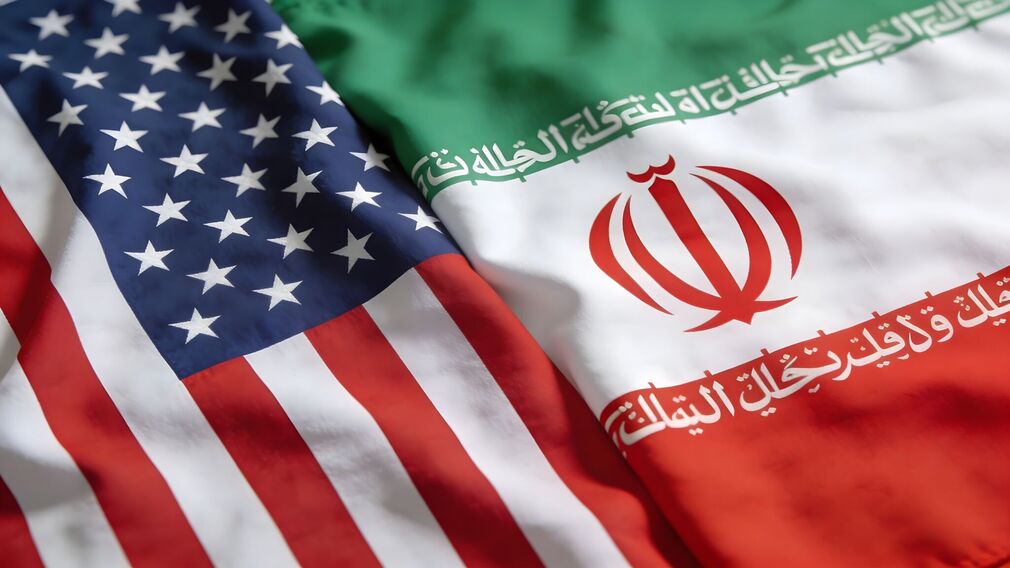
US President Donald Trump announced on 7 April that a ceasefire had been agreed with Iran on condition that the Strait of Hormuz is reopened, according to a BBC report on the same date.
In comments posted on Truth Social, Trump said he had agreed to the provisional ceasefire as all military objectives had been “met and exceeded”.
The conflict had brought shipping in the Gulf to a near standstill, impacting global supply chains, Reuters wrote on 8 April.
More than 34,000 ships had diverted routes in the first four weeks of disruptions through the strait since US military strikes on Iran began on 28 February, according to a 6 April FreightWaves article citing a report by US-based visibility platform project44.
Danish shipping group Maersk, one of the world’s biggest container shipping groups, had suspended cargo bookings to many ports in the Gulf region in March, the report said.
Although the two-week ceasefire agreed between the US and Iran could open some opportunities for vessels in the strait, Maersk said it did not provide enough security certainty to resume normal operations, Reuters wrote.
“The ceasefire may create transit opportunities, but it does not yet provide full maritime certainty and we need to understand all potential conditions attached,” Maersk said.
“At this point, we take a cautious approach, and we are not making any changes to specific services,” the company said in a statement to Reuters.
Although global oil prices had fallen by about 13% to US$94.80/barrel after the ceasefire announcement, prices remained much higher than US$70/barrel – the level before the conflict started, the BBC wrote on 7 April.
EU gas prices also dropped by 20% following the ceasefire announcement, with the European front-month gas contract on the Dutch TTF hub initially dropped to €43.46/MWh at the time of writing, specialist energy news outlet Montel News reported on 8 April. Curbs in natural gas production and exports have compounded tightness across fertiliser production chains, according to a 7 April World Fertilizer report citing Independent Commodity Intelligence Services (ICIS) data.
With higher energy prices increasing the attractiveness of biodiesel, Malaysia, Indonesia and Thailand are accelerating plans to increase biodiesel blending in diesel fuel.
On 8 April, Indonesia's energy ministry issued a ministerial decree setting the timeline for the early implementation of its B50 palm oil-based biofuel blending mandate, Reuters wrote on the same day.
B50 would be the standard for all users by 2028, the decree said, and the energy ministry would issue a new decree to allocate the biodiesel required to meet the B50 goal in the second half of this year. It had previously allocated 15.65M kilolitres for 2026 to meet the B40 standard, the report said.
In Malaysia, the Malaysian Biodiesel Association was urging a faster roll-out of a higher biodiesel blending programme nationwide for transport and industrial sectors, the Edge Malaysia reported on 7 April.
For locations with technically-capable infrastructure, higher biodiesel blending levels of up to B20 should be implemented immediately, the trade body said in a statement.
“While progress towards higher blends has been constrained by the readiness of blending infrastructure, the government should accelerate its upgrading to enable blending level of up to B30 nationwide,” the association added.
Malaysia launched the B20 biodiesel programme for the transport sector in February 2020.
However, its implementation to date had been limited to Pulau Langkawi, Kedah, Labuan and Sarawak, while B7 remained the applicable blend in the industrial sector, the Edge Malaysia wrote.
Newly announced biofuel policies around the world, could have a significant impact on vegetable oil prices, according to a 2 April report by Spanish vegetable oil company Lípidos Santiga (LIPSA).
According to Oil World estimates, global consumption of oils and fats will increase by 7.7M tonnes this season, driven mainly by increased use in the energy sector (primarily palm, soyabean and rapeseed oils).
The conflict and blocking of the Strait of Hormuz has also impacted Asia’s plastics sector, boosting demand for recycled resin, according to an Eco-Business report.
The virtual closure of the strait had choked supplies of naphtha – a key feedstock for plastics production – which had reduced the price differential between virgin and recycled plastics, the 3 April report said.
According to the report, the price difference between virgin and recycled polyethylene terephthalate (PET) has narrowed to around US$200/tonne, down from over US$400/tonne in previous years, as recyclers report a surge in demand in the wake of the Middle East oil crisis.
Rob Kaplan, chief executive of Circulate Capital - which invests in recycling firms in South and Southeast Asia - said his portfolio companies had seen a “huge” increase in demand for recycled plastic.
According to the report, the major buyers of recycled plastic are multinational brands with commitments to use more recycled material in their packaging, such as Coca-Cola, Unilever and Danone.