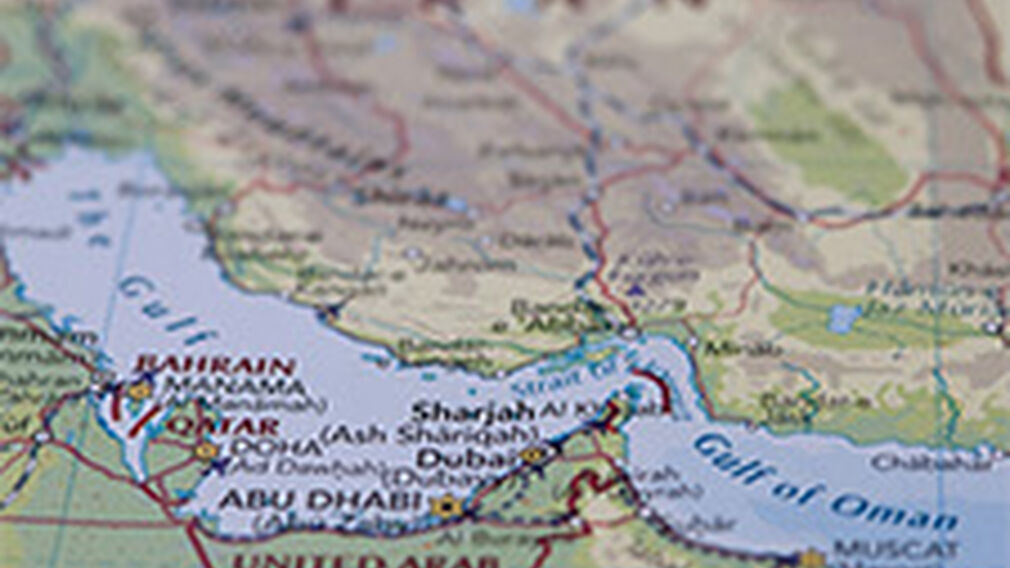
Following the USA’s lifting of its blockade in the Strait of Hormuz on 18 June, Iran announced it would be introducing fees to cover the cost of managing the waterway, set to come into effect at the end of a 60-day negotiation period, The Guardian reported.
The USA and Iran announced on 14 June that they had reached a framework deal to end their nearly four-month war, including the immediate and permanent cessation of military operations on all fronts, and the reopening of the Strait of Hormuz.
However, Iran said the strait was under its control and a European plan for a naval mission to escort ships through the key shipping channel – through which 20% of the world’s oil and natural gas travels – would not be welcome, The Guardian wrote.
Mohammad Bagher Ghalibaf, Iran’s chief negotiator, was quoted as saying the strait needed to be managed, which would come at a cost.
Challenging the Iranian plan, the Saudi Arabian foreign minister, Prince Faisal bin Farhan Al Saud, said: “The management of the strait was working fine before the conflict. There were no issues. Ships were navigating freely.”
The first round of negotiations between the USA and Iran to implement their deal had ended with “encouraging progress”, mediators from Qatar and Pakistan were quoted as saying in the BBC report.
In a joint statement on 22 June, Qatar and Pakistan said that a “High Level Committee” had agreed to “a roadmap towards reaching a final deal within 60 days”.
One key sticking point is Lebanon, with Iran demanding an end to the conflict there but Israel refusing to leave what it calls a security zone.