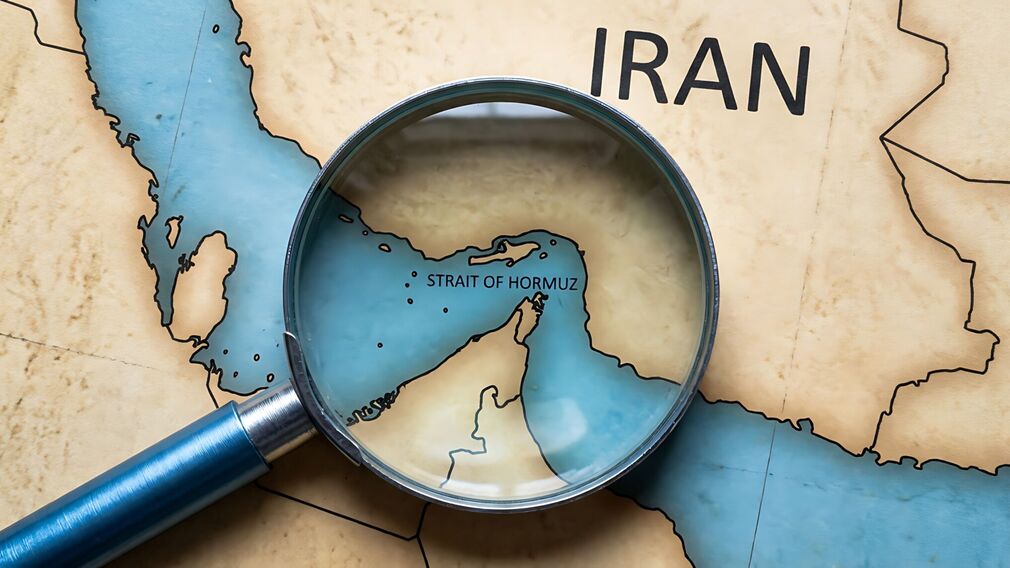
The Iranian Parliament’s Security Commission has backed a plan to introduce tolls for vessels passing through the Strait of Hormuz – the key shipping corridor through which around a fifth of global oil supply flows – and ban American and Israeli ships, The Star reports.
The move would mark an escalation in Iran’s efforts to control the narrow corridor between Iran and Oman, the 31 March report said.
Further disruption of the shipping corridor could send global energy prices rocketing and impact deliveries of essential commodities and natural gas-based fertilisers, The Star wrote.
In mid-March, crude oil prices jumped to a near four-year high after Iran responded to joint US-Israeli attacks launched on 28 February by threatening to fire on vessels moving through the strait, Reuters wrote on 17 March.
Currently, Brent crude oil prices are ranging around US$$98-102/barrel against pre-invasion prices of US$60-70/barrel.
The rally in crude oil prices had made the use of vegetable oils for biofuel production more attractive, Reuters said.
“The market has high hopes for biodiesel,” Dorab Mistry, the director of Indian consumer goods company Godrej International, said in an earlier 17 March Reuters report. “[But] edible demand is subdued as prices have jumped. It remains to be seen which factor will eventually prevail.”
Indonesia – which confirmed in January that it was shelving plans to increase its palm oil-based biodiesel blending programme from 40% to 50% - is now going ahead with its B50 programme this year.
“We are going in a big way to biofuel,” President Prabowo Subianto said on 30 March during an official visit to Japan. “We will produce [this year] diesel oil from from palm oil and now we are increasing from 40% to 50%,” Reuters reported on the same date.
In March, Malaysian palm oil prices jumped by 14% to trade above MYR4,600 (US$1,141)/tonne, making the tropical oil more expensive than rival soyabean oil, except in Asia, where lower freight costs kept it competitive for buyers, Reuters wrote.
India, the world’s leading vegetable oil buyer, was holding back from making new purchases at higher price levels, with refiners waiting for prices to correct, dealers were reported as saying.
Several soyabean oil cargoes from South America and the Black Sea, booked for delivery in the coming months, had also been cancelled after global soyabean oil prices surged, as buyers found it more profitable to return the shipments to suppliers rather than process and sell them in India, the dealers said.
Reduced buying by India could limit gains in Malaysian palm oil and US soyabean oil prices, while supporting local vegetable oil prices and domestic oilseed growers, according to a 24 March Reuters report.
While much of the world’s attention is focused on events in the Strait of Hormuz, fears are growing that Iran could target a second vital global shipping route in a move that could send global petroleum prices even higher, according to a report by the Express.
An Iranian military official had threatened to escalate “insecurity in other straits, including the Bab el-Mandeb Strait and the Red Sea”, the 29 March report said.
Between 2023 and 2025, Iranian-backed Houthi rebels in Yemen disrupted global shipping through the Bab el-Mandeb and the Red Sea to pressure Israel to stop military operations in Gaza.
Although a narrow shipping corridor, vast volumes of goods pass through the Bab el-Mandeb, alongside key food commodities.
At the time of the report, the Houthis had not directly entered the conflict but analysts had warned that things could change if the conflict between the USA/Israel and Iran intensified, the report said.