


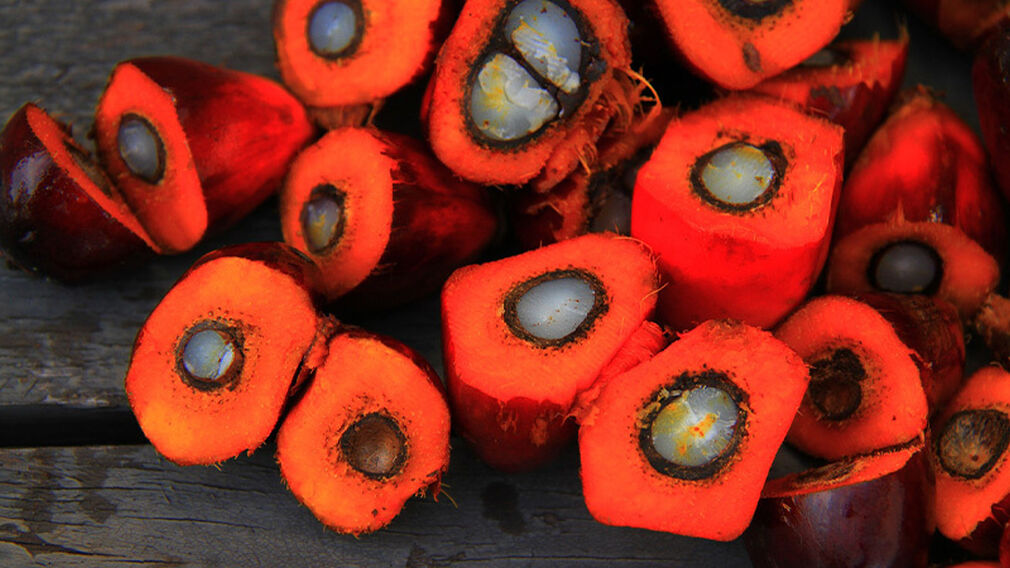
Palm oil exports from Latin America are increasing, according to a report by Bloomberg.
The region’s higher yields – compared to the global average – made it an emerging player in the sector and was leading to increased competition, particularly in Europe, the 14 April report said.
Palm oil exports from Central and South America have increased by about 70% in the past decade, compared with an increase of 14% in global shipments, according to US Department of Agriculture (USDA) data.
Although this comprised only 5% of the world total – compared with almost 90% from Indonesia and Malaysia – it still represented a sharp rise in exports from the region, the report said.
Colombia – currently the world’s fourth-largest producer – had “lots of room” to develop its 600,000ha of plantations, Nicolás Pérez Marulanda, executive president of the National Federation of Oil Palm Growers known as Fedepalma, was quoted as saying.
The government had identified around 5M ha that were highly suitable for palm without the need for deforestation, Pérez said.
An expansion on that scale would put the country on a par with Malaysia in area, the report said.
Producers in Colombia were preparing to meet the requirements of new European deforestation rules, and both the country and Latin America had the opportunity to become reliable sources of sustainable palm oil for high-standard markets like Europe, Pérez added.
Meanwhile, farmers in Guatemala, the largest palm oil exporter in Latin America, were also seeing an increase in European demand as the country could show its production was deforestation-free through third-party satellite monitoring and sustainable certification, said Karen Rosales, former executive director of the Palm Grower Association of Guatemala.
Leading palm oil producers Indonesia and Malaysia also used satellites and drones to show traceability and prove sustainability and had certification systems in place, Bloomberg wrote.
However, due to the vast size of plantations, the challenges were far greater, the report said.
Palm oil is Guatemala’s third largest export, after textiles and coffee, and exports 80% of the oil it produces, according to Rosales. Its biggest market is Europe, which takes about 60% of palm shipments.
The national average for palm oil yields in Guatemala was 5.86 tonnes/ha, Rosales said.
In Colombia, the average yield is 3.66 tonnes/ha compared to 3.27 tonnes/ha on a global basis, according to Pérez.
Latin American countries will “continue to improve their yields,” Julian McGill, an agricultural economist and managing director of consultancy Glenauk Economics, was quoted as saying.
