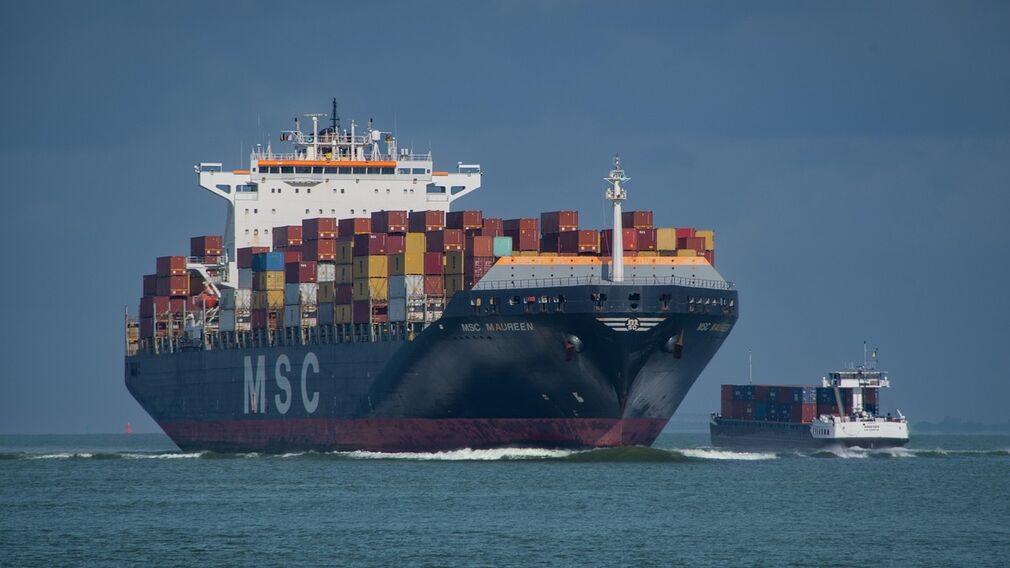
Japanese biofuel and carbon removal solutions company Nippon Biofuel Co (NBF) has been selected for a large-scale project in Africa to establish biofuel supply infrastructure for international shipping.
The JPY7bn (US$44M) project aimed to establish a marine biofuel supply chain in Nampula Province, Mozambique, and the Bono East Region of Ghana, in collaboration with major Japanese maritime companies and certification bodies, the company said in a 19 April blog.
Nippon Biofuel Co, which develops biofuel and carbon removal solutions using jatropha, said the project aimed to achieve a supply capacity of 400,000 tonnes/year of biofuel by 2032.
According to the blog, the company’s genetic resources and breeding technologies include high-yield varieties with up to 50 times higher productivity compared to wild types.
“This project represents a new integrated energy model that integrates energy security, decarbonisation and rural development,” said Makoto Goda, CEO of Nippon Biofuel Co.
“Jatropha, as a perennial crop, enables smallholder farmers to build long-term productive assets. Through this initiative, we aim to provide a sustainable and stable alternative for future energy supply.”
Implemented by Japan’s Ministry of Economy, Trade and Industry (METI), the ‘Green Corridor Initiative – Integrated Biofuel & Carbon Removal’ project was part of the 2024 Supplementary Global South Future-Oriented Co-Creation Programme.
Key aspects of the initiative included: the establishment of a jatropha cultivation model; production of jatropha-based biofuel; the development of bunkering systems in Mozambique, Ghana, Singapore and Japan; fuel supply demonstration for ocean-going vessels and domestic vessels; carbon removal through afforestation and biochar production; and the development of rural income and community models.
“Amid rising geopolitical uncertainties, ensuring a stable energy supply has become a global priority. Japan remains highly dependent on energy imports from specific regions, making diversification and decentralisation essential,” the company said in its blog.
“This project contributes to establishing a sustainable energy supply chain from Africa, reducing dependency risks while ensuring long-term supply stability.”
Partners involved in the project include Mitsui OSK Lines, Kuribayashi Steamship Co, Nippon Kaiji Kyokai (ClassNK), Fujii Oil Co and Tottori University.