Finnish startup Nordic Bioproducts Group (NBG) has signed a Memorandum of Understanding (MoU) with Thai bioplastic producer PTT MCC Biochem (PTTMCC) to develop next-generation bioplastics, specifically new grades of bio-polybutylene succinate (BioPBS), NBG said on 11 April.
As part of the partnership, NBG said it would offer its biomaterial expertise and advanced cellulosic materials, such as its activated cellulose fibres, which could be used as an alternative to petroleum-derived materials in bioplastic production.
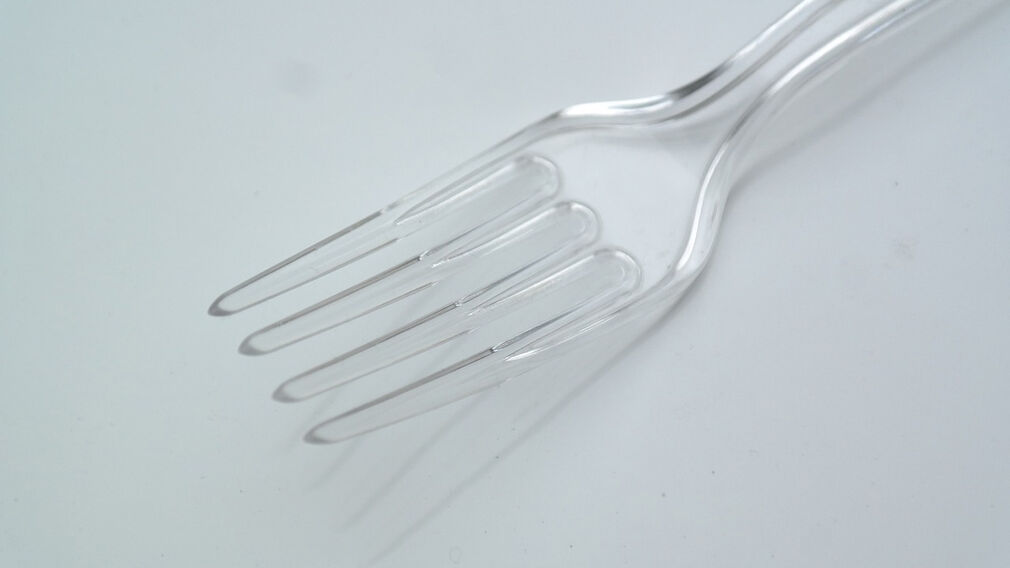
The project would focus on the development of ‘home compostable’ materials, targeting single-use products such as coffee capsules, cutlery, containers, plates and mugs, the company said.
According to a report by Allied Market Research, the coffee capsule market is expected to grow to US$11.9bn by 2032, with Asia Pacific the largest market in 2023, followed by Western Europe.
Most coffee capsules were currently produced from aluminum, which could be recycled but was not compostable.
NBG said its activated cellulose fibres were derived from FSC-certified, traceable, sustainably managed forests in Finland.
The MOU with PTTMCC followed NBG’s partnership with Japanese multinational corporation Marubeni.
“As we are gearing towards impact at scale and mass production, we can … partner … more and more global companies, helping them create environmentally-conscious products,” NBG CEO and co-founder Olli Kähkönen said.
A spin-off from Aalto University, NBG was founded in 2019 by Professor Olli Dahl and senior commercial officer Olli Kähkönen in cooperation with the Aalto University School of Chemical Engineering.
PTTMCC is a strategic joint venture company between PTT Global Chemical Public Company (GC) and Mitsubishi Chemical Corporation (MCC).
Thailand is the world’s second largest producer of bioplastics.