The omega-3 supply chain is being impacted by global shortages of fish oil and fish meal caused by climate change, over-fishing and aquaculture growth, according to research by Rabobank reported by Ingredients Network.
Fish meal could run short by 2028, while fish oil scarcity was increasing, with demand driven by supplements and pet food, the 9 October report said.
Meanwhile, alternative omega-3 sources, such as algae and genetically modified (GM) camelina sativa versions, were being developed to address the shortage.
The RaboResearch report, ‘Seafood Feed Futures’, outlined how the combined effect of rising aquaculture production, stagnant wild fish catches and climate-related supply disruptions could drive up prices and drastically increase price volatility.
Aquaculture producers consume over 90% of global fish meal supply, up from 79% in 2013, while their share of fish oil is approximately 70%, according to the report.
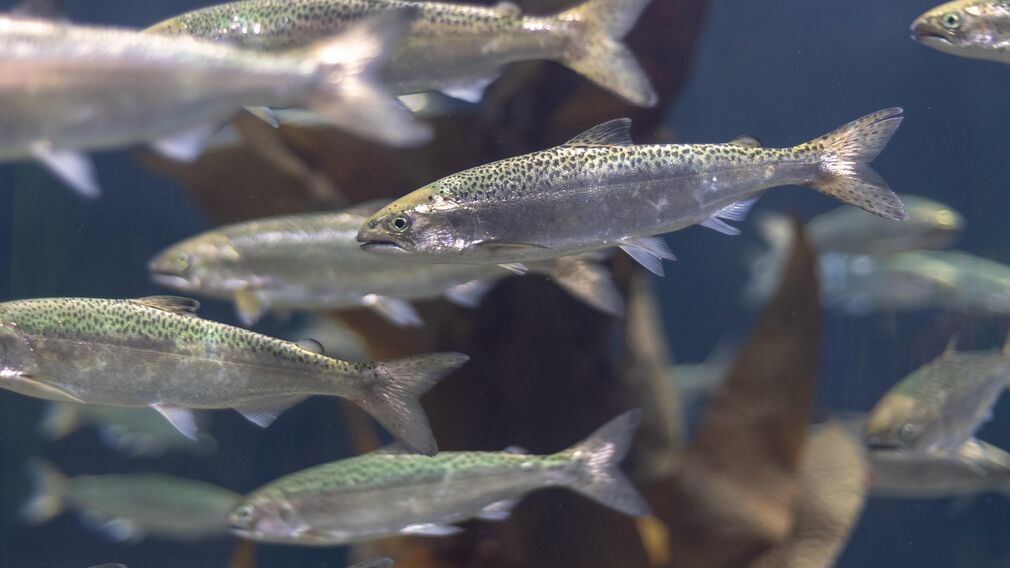
Salmon farming accounted for more than half of fish meal consumption.
With limited capacity to increase supply, and few scalable alternatives, marine ingredients could become cost-prohibitive for many feed applications, the report said.
Fish oil demand was increasingly driven by sectors with inflexible pricing models, such as omega-3 dietary supplements and premium pet food brands.
These categories had doubled their fish oil use since 2013 and were able to absorb higher input costs than aquaculture feed producers, the report said.
As a result, fish oil was reallocated from general aquaculture to high-margin uses, a trend reinforced by a sustained demand growth of 2%-4%/year.
Shortages of 20,000 tonnes could emerge as early as this year, with further gaps forecast through to 2033, the report said.
Against this backdrop, brands continued to expand omega-3 ingredient use across a wide range of consumer health products. Between 2022-2024, the top launch categories globally for omega-3s were dietary supplements, infant formula and follow-on milks, according to the Mintel report, ‘Nutrition watch: Omega-3 fatty acids’.
With fish oil prices increasing and marine resources under pressure, ensuring a secure supply of uncontaminated eicosapentaenoic acid (EPA) and docosahexaenoic acid (DHA) is becoming more difficult, according to the report.
With fish oil becoming scarcer, aquaculture producers had reduced its inclusion in feed. Between 2006 and 2015, the omega-3 content of farmed salmon was halved due to the replacement of fish oil with plant-based oils.