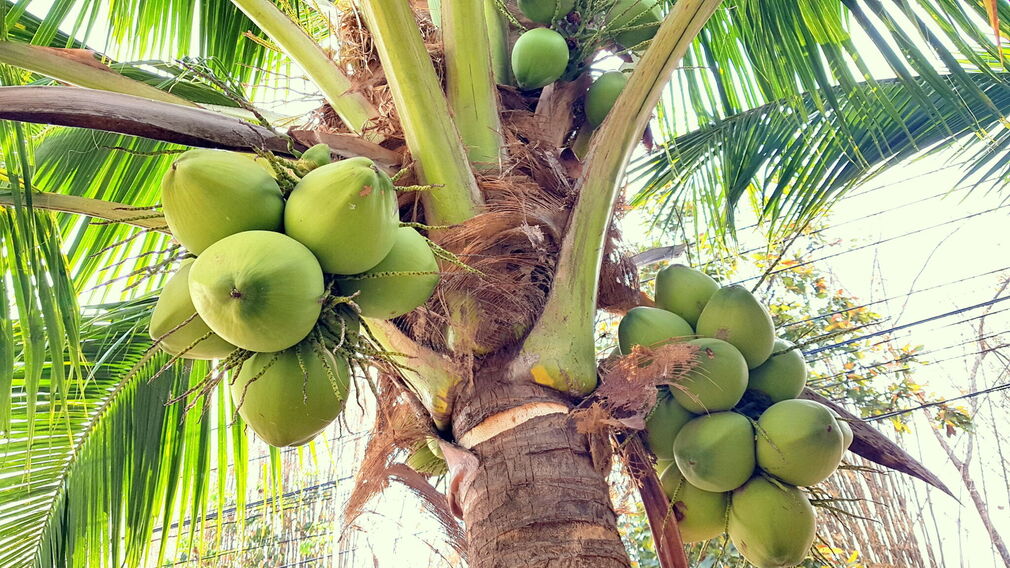
The Philippine Coconut Authority (PCA) is pushing back against a proposal by President Ferdinand Marcos Jr to suspend the mandatory inclusion of local feedstocks in the country’s biodiesel blend, saying the move would impact farmers’ livelihoods and derail long-term industrial investments.
In a statement on its website, the PCA said it did not back the full suspension of the biodiesel blending mandate.
The proposal, which had been passed by the House of Representatives and was awaiting the Senate’s approval, would authorise the temporary suspension of locally-sourced biofuel blending for up to one year, the Manila Bulletin wrote.
The move to suspend the mandate was necessary to provide the government with additional flexibility to keep petrol prices stable amid volatility due to supply constraints amid the Middle East conflict, the 19 March report said.
Under the country’s Biofuels Act, all liquid fuels for cars and engines must contain locally-sourced biofuels to reduce its dependence on imported fuels.
In its current form, the bill would temporarily suspend the mandate to allow the entry of imported biofuels if prices of local biofuels were at least 5% higher than traditional fuel, the report said.
According to the PCA, the move would impact the livelihoods of local coconut farmers, as the current biodiesel programme was the primary domestic driver of coconut oil demand.
Coconut farmers produce copra, the primary raw material used to produce coconut oil, which is sold to oil millers, who then supply the product to coconut methyl ester (CME) producers.
The PCA said suspending CME in favour of imported palm methyl ester (PME) would redirect domestic supply to lower-priced export markets and push down local copra and coconut oil prices, further limiting the potential income of coconut farmers.
“Such a scenario could have significant adverse implications for the livelihoods of coconut farmers, who remain the most vulnerable stakeholders in the value chain,” the PCA said.
In place of a full suspension, the agency said the government should consider adopting a “balanced and calibrated approach” to the country’s biodiesel blending policy.
Although the PCA said it supported the retention of the current 3% (B3) biodiesel blend for the immediate future, the country could revert to B2 as a “prudent response under prevailing market conditions”.
At the time of the report, local processors had the capacity to increase blending levels up to 7% (B7), subject to appropriate policy direction and market readiness, the agency added.
According to a 16 March BioEnergy Times article citing an Inquirer.net report, biodiesel producers in the Philippines have said they are ready to increase the biodiesel blending level to 7% to help cushion the impact of rising imported fuel prices amid tensions in the Middle East.
The Philippine Biodiesel Association (TPBA) said the Biofuels Act of 2006 remained the country’s strongest safeguard against disruptions in global oil supply and sudden price increases.
According to TPBA data, 14 biodiesel plants in the country currently used locally-sourced coconut oil to produce CME.