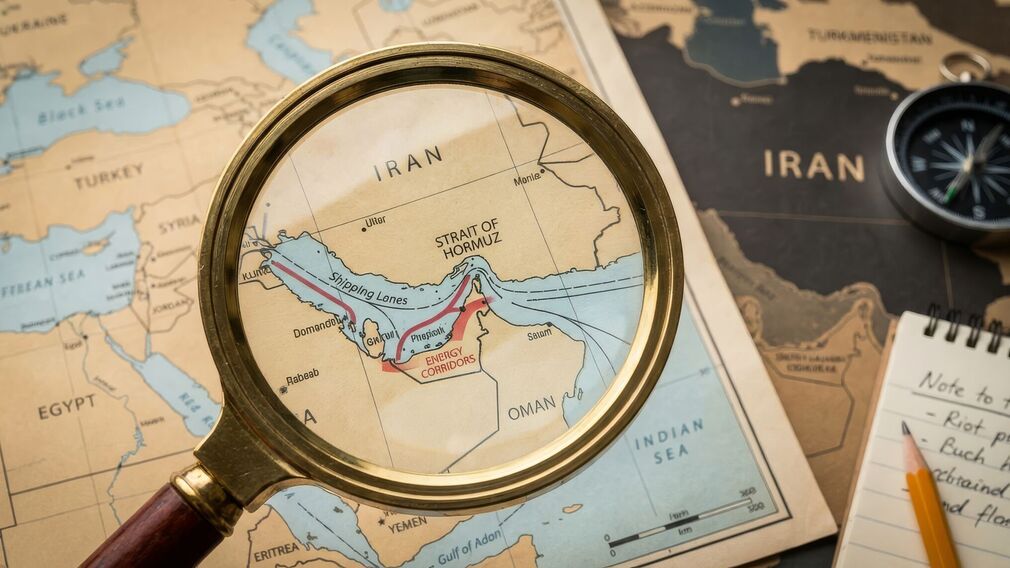
Ships carrying critical agricultural inputs must start moving through the Strait of Hormuz as soon as possible to hold off the risk of a spike in food price inflation later this year, according to the Food and Agriculture Organization of the United Nations (FAO).
Iran had effectively shut the strait, which is responsible for the transportation of 20% of global oil supplies, since it had come under attack from US and Israeli air strikes on 28 February, the BBC wrote on 15 April.
Following the breakdown of US-Iran peace talks on 12 April, US President Donald Trump ordered an immediate blockade of the strait.
According to United Nations (UN) data reported by Food Navigator on 14 April, 2,000 ships carrying food and energy inputs have been impacted by disruption of the waterway.
Although grains such as wheat, maize and barley accounted for a large share of stranded cargoes, edible oils – including sunflower and rapeseed oil – were another important commodity, the report said.
Other key commodities, such as cocoa, coffee and sugar, were also among stranded shipments, Food Navigator wrote.
In addition, the shipment of vital agricultural inputs like fertilisers were also impacted, putting future harvest at threat, the report said.
If the crisis in the key waterway continued, it could set off a chain of effects like the aftermath of the COVID-19 pandemic, the FAO said on 14 April.
Poorer countries were most at risk of scarce and costly fertiliser and energy inputs, FAO chief economist Maximo Torero said in a podcast on 13 April with David Laborde, director of FAO’s Agrifood Economics Division.
“The last thing we want is lower crop yields and higher commodity prices and food inflation for the next year,” Torero said.
Although the March FAO Food Price Index was relatively stable due to ample supplies of most food commodities, pressure was rising in April and would intensify in May as farmers would make decisions on switching planting choices to adapt to fertiliser availability.
Against a backdrop of rising crude oil prices, farmers would also need to decide if they should allocate more land and resources to biofuels, which could also impact global food supplies, the FAO said.
The FAO urged all countries to consider biofuel mandates and, most importantly, to avoid export restrictions on energy and fertilisers.