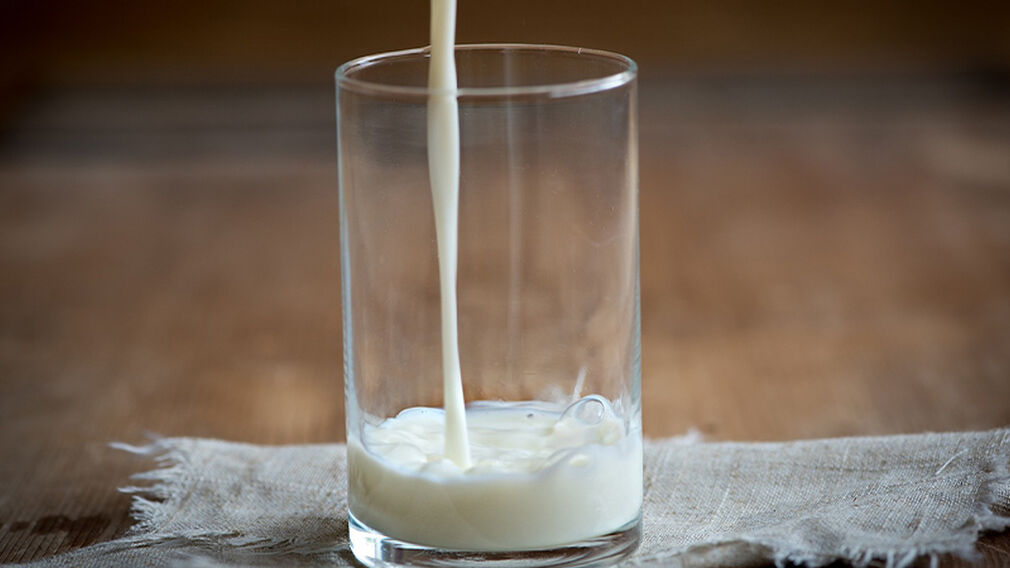
A new study comparing the effects of drinking full-fat and low-fat milk on heart health concluded that higher fat levels increased mortality risks, The Independent reported.
Published in the The American Journal of Clinical Nutrition, the study used data from three cardiovascular health surveys conducted between 1974 and 1988.
Researchers in Norway tracked the data of 73,860 individuals, with an average age of 41, over 33 years and recorded 26,393 deaths, including 8,590 from cardiovascular disease, the 10 August report said.
The findings indicated full-fat milk consumers had a higher risk from death from all causes, particularly cardiovascular disease, compared to low-fat milk consumers.
However, the study noted that whole fat milk drinkers frequently reported being current smokers (smoking is one of the top preventable causes of death).
Low low-fat milk consumers tended to be more highly educated, less likely to smoke and were predominantly female.
Researchers were able to make this comparison due to Norway’s specific history of milk drinking, the report said.
In the 1970s, most people in the country drank whole milk, but by the 1980s more people drank low-fat milk. This meant researchers were able to investigate the long-term health consequences of drinking both types of milk, The Independent wrote.
Those who drank the most milk in the study had a 22% increased risk of all-cause mortality and a 12% increased risk of death from cardiovascular disease in comparison to those who drank the least.
However, further analysis revealed whole milk was driving the increased risk of death.
When researchers compared full-fat and low-fat milk and adjusted for the amount consumed, they found low-fat milk was associated with an 11% lower mortality risk and a 7% lower risk of cardiovascular disease compared to whole milk.
The findings remained consistent even after excluding early deaths or participants with pre-existing conditions.
“Associations between milk intake and cardiovascular disease and all-cause mortality varied by type of milk, with positive associations found for whole milk and a modestly inverse association with ischemic heart disease and all-cause mortality was found for low-fat milk when compared with whole milk,” the research team concluded.
The results are in line with current NHS health advice, according to the report.
Most of the fat in milk and dairy foods is saturated fat which, when eaten in large amounts, can contribute to weight gain, according to the NHS.
A diet high in saturated fat can also lead to raised levels of cholesterol in the blood, increasing the risk of having a heart attack or stroke.