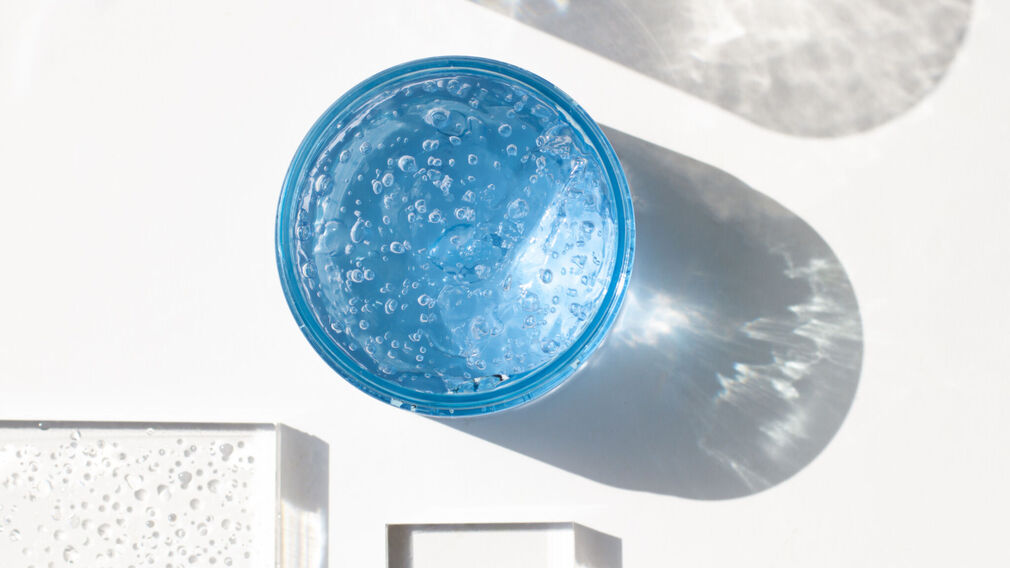
A research team at Aston University, UK, have developed a process to produce renewable hydrogen and propane from glycerol.
Glycerol or glycerine is produced mainly from fats and oils via hydrolysis in traditional soap-making, or transesterification for biodiesel production, and is often used in health and beauty products.
The HYDROGAS project explored glycerol’s potential as a raw material to make hydrogen and propane, led by Dr Jude Onwudili from Aston University’s Energy and Bioproducts Research Institute.
With crude glycerol from biodiesel production plants available in large volumes and at low cost, the research could benefit the environment and reduce reliance on fuel imports, Dr Onwudili said.
Although previous studies had shown that hydrogen could react with glycerol to produce propane, the use of external hydrogen could be expensive, the research team said.
However, HYDROGAS’s method involved using some of the glycerol itself to produce the hydrogen needed to transform glycerol into bio-propane.
“Our approach was to use part of the glycerol itself, to produce the hydrogen gas required for biopropane production, avoiding the need for it to be added from expensive external sources,” Dr Onwudili said.
HYDROGAS’s first objective of developing a process to generate sufficient hydrogen to convert glycerol to biopropane was successful and its second objective of obtaining high yields of biopropane, was still being investigated.
“We are still working to obtain high biopropane yields from ‘crude glycerol’. Through HYDROGAS, we discovered that the second-stage reactions can work in different conditions to those that make the hydrogen, so will explore this alternative route,” Dr Onwudili added.
Backed by further investments by Aston University, the project now aimed to establish a dedicated research programme in the area of reforming and transforming glycerol and other biomass-derived feedstocks to sustainable gaseous and liquid fuels.