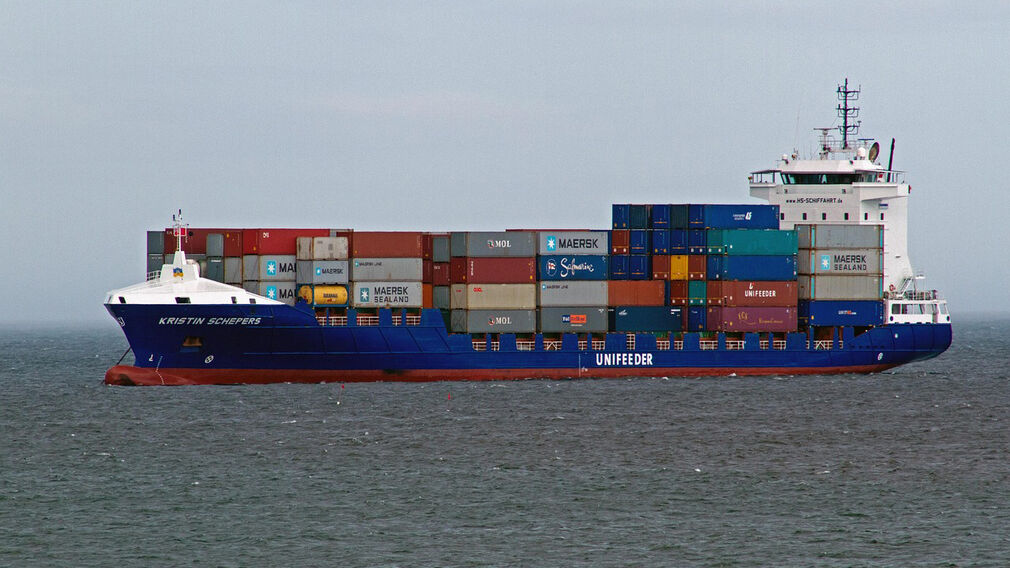
The US Department of Agriculture (USDA) is expecting a significant shift towards bio-based diesel fuels in the marine shipping sectors in the Netherlands and the European Union (EU).
The Netherlands imported US$535M of US biofuels in 2025, solidifying its role as a key hub for sustainable road, aviation and shipping fuels, according to the USDA ‘US Biofuels Exports to the Netherlands Surge - New Markets Arise’ report.
The Dutch biofuels market for road transport comprised 398,000 tonnes of bioethanol and 594,000 tonnes of biodiesel in 2024, the 4 May report said. At 116,000 tonnes and 246,000 tonnes respectively, the markets for aviation and marine shipping were small but forecast to expand significantly based on global, EU and national renewable energy and related greenhouse gas (GHG) emission reduction targets.
Starting in 2026, Dutch legislation introduced GHG reduction mandates for marine and inland bunker suppliers, aiming to meet strict emission targets.
The legislation also included obligations for marine and inland bunker suppliers, requiring them to reduce the GHG emissions of their fuels by 2.9% and 2.5% respectively.
“While the shipping sector explores various alternatives, a significant shift toward bio-based diesel fuels is anticipated to meet these evolving requirements,” the USDA said.
“These regulatory changes, particularly focusing on waste-based biofuels in the Port of Rotterdam, are creating new market opportunities for US biofuels as well as feedstock suppliers.”
Higher demand was forecast specifically for biofuels with high GHG emission reduction values.
While the marine shipping sector had initially focused on (partly bio-based) methanol and ammonia as non-fossil alternatives to reduce GHG emissions, it had recently been switching to (partly bio-based) liquefied natural gas (LNG), the report said.
As the availability of bio-LNG was limited, the sector would gradually shift to bioethanol and bio-based diesels - both fatty acid methyl esters (FAME) and hydroprocessed esters and fatty acids (HEFA) - to fulfil global targets and EU and Dutch mandates.
However, as ships primarily run on diesel-like fuels, the regulations are anticipated to create a market for mainly bio-based HEFA, according to the report.
“Overall, EU and Dutch regulations for marine shipping fuels are creating opportunities for EU as well as non-EU suppliers of a wide variety of biofuels and feedstocks,” the USDA said.