Brazilian shipping company Wilson Sons has received approval from the Brazilian Agency of Petroleum, Natural Gas and Biofuels (ANP) to conduct the country’s first tests on the use of hydrotreated vegetable oil (HVO) in the maritime sector.
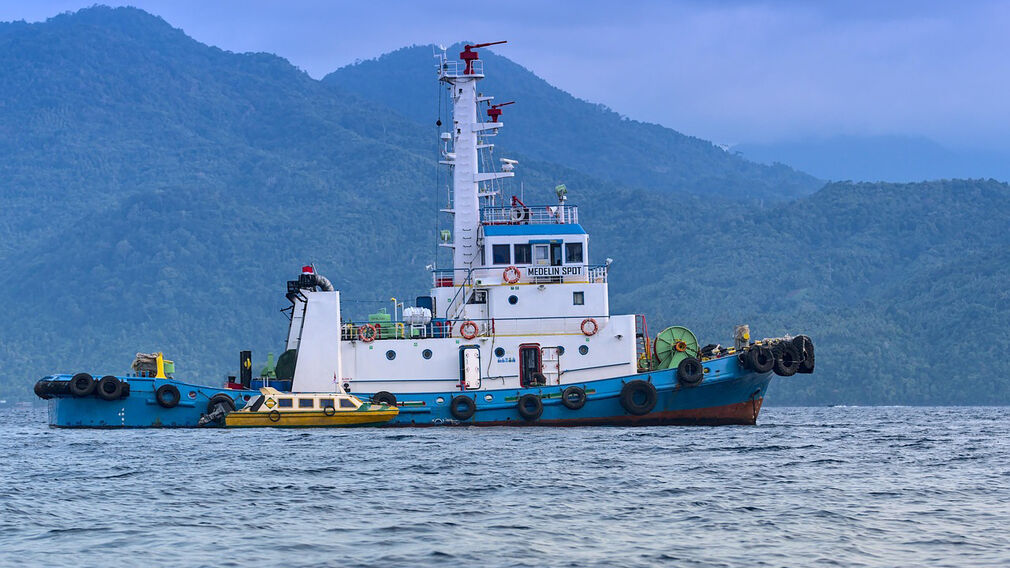
Working in partnership with Brazilian fuel and maritime supply logistics provider efen, oil trans-shipment company Vast Infraestrutura and the Port of Açu, tests would be conducted on the use of HVO in Wilson Sons’ tugboats operating at the port in São João da Barra, the company said on 30 January.
The trial would involve replacing marine diesel oil with HVO imported by efen and the liquid handling operation would be conducted at the Açu Liquid Bulk Terminal (TLA), owned by Vast Infraestrutura, Wilson Sons said.
“After the testing period, we expect to expand the distribution of HVO to platform supply vessels (PSVs) and other offshore support vessels in the Port of Açu, encouraging the reduction of greenhouse gas (GHG) emissions in the oil and gas supply chain,” efen CEO Rafael Pinheiro said.
Wilson Sons Towage division executive director Marcio Castros said the company’s decarbonisation agenda included a combination of building more efficient tugboats, alongside decreasing the environmental impact of its fleet.
“In this context, HVO emerges as a promising solution, as it is a drop-in fuel that does not require any adaptations to our equipment,” Castro added.
The International Maritime Organization (IMO) has set a net-zero target for GHG emissions from international shipping by 2050.
Headquartered in Rio de Janeiro, Wilson Sons provides international logistics services to more than 70 countries. Its portfolio includes container terminals in Bahia and Rio Grande do Sul, 80 tugboats, 23 offshore support vessels, two offshore support bases in Guanabara Bay, a logistics centre in Santo André and two shipyards in Guarujá.