



See below the confirmed speakers for the 2026 OFI Commercial/Technical Conference:
TUESDAY 22 SEPTEMBER
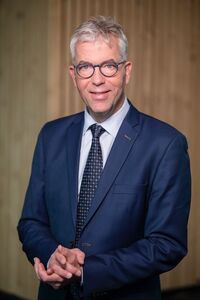
Frans Claassen
Managing Director, MVO - The Netherlands Oils and Fats Industry
BIOGRAPHY
Work Experience
2014 – now Managing Director, MVO – the Oils and Fats Industry Association
2021 – now Board member - Dutch Employers Association (VNO-NCW)
2021 – 2023 Chairman of the Dutch Feed Chain Federation
2012 – 2022 Chairman of the European Palm Oil Alliance (EPOA)
2010 – 2014 Chairman of the Dutch Task Force Sustainable Palm Oil
2006 – 2013 General Manager, Product Board Margarine, Fats and Oils(MVO), Zoetermeer, the Netherlands
2005 – 2006 Interim Manager - Reorganization, Plant Protection Service, Ministry of Agriculture, Nature and Food Quality, Wageningen, the Netherlands
2000 – 2005 Agricultural Counsellor for Indonesia, Malaysia and Singapore, Royal Netherlands Embassy, Jakarta, Indonesia
1996 – 2000 Agricultural Attaché for P.R. China and SAR Hong Kong, Royal Netherlands Embassy, Beijing, P.R. China
1992 – 1996 Senior Policy Advisor, Department for Trade & Industry, Ministry of Agriculture, Nature and Food Quality, The Hague, the Netherlands
Education:
1984 – 1990 Agricultural Economics (Engineer – Ir)Management, Market Research and Marketing, Wageningen University, the Netherlands

Jessica van Zetten
Senior Inspector/ Analyst EUDR, Netherlands Food and Consumer Product Safety Authority (NVWA)
ABSTRACT: Latest update on the EU Deforestation Regulation (EUDR) and its implementation and enforcement
Coming soon...
BIOGRAPHY:
Jessica has 10 years experience in the timber trade industry, and is working at the NVWA since 2023, focusing on EUTR/EUDR.
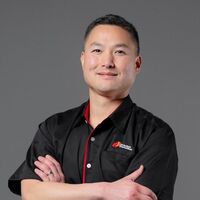
Mark Wong
Head of Downstream Sustainability, SD Guthrie International
ABSTRACT: EUDR from an operator’s perspective
With the EUDR scheduled to be implemented on the 30th December 2026, this session presents a case study on the steps taken by SD Guthrie to build compliant supply chains. This includes the key considerations and approach taken in the design of their EUDR compliance framework, their experience with pilot EUDR compliant test shipments, as well as, efforts to maintain smallholder inclusive supply chains.
BIOGRAPHY
Mark is the Head of Downstream Sustainability for SD Guthrie International and manages the company’s responsible sourcing programme. SD Guthrie International is the downstream manufacturing business of SD Guthrie, a globally integrated plantation company and a leading producer of certified sustainable palm oil products. In previous roles, Mark led the development of the company’s annual sustainability reports, established targeted stakeholder engagement programmes on sustainability issues and managed the company’s climate change agenda. He also participated on various multi-stakeholder platforms, including the High Carbon Stock Convergence Process, which defined a unified approach to implementing no-deforestation commitments. An Environmental Engineer by profession, Mark was previously an Associate Director with Pricewaterhouse Coopers’ Sustainability and Climate Change practice. He has also worked in the mining, forestry and property industries.

Ruben Brunsveld
Deputy Director, Market Transformation EMEA, The Roundtable on Sustainable Palm Oil (RSPO)
ABSTRACT: Role of certification schemes
Although voluntary certification was never a "green line" for market access, the discussion on "the role of certification under EUDR" has definitely evolved. Scepticism gradually gave way to mutual trust. As the implementation date approached, policymakers started recognising the important work the sector has already done under these voluntary schemes. In the Netherlands the NCA has given RSPO a formal position in the implementation of EUDR and in its "simplification" of May 4th 2026 the European Commission proposed a formal repository for voluntary schemes, fit to support companies with their EUDR compliance. So how did this change happen? What is now the real added value of RSPO certification in light of EUDR and how will the RSPO's system for trade, traceability and certification "Prisma" support its members as the EUDR comes into force? These are the questions that Ruben will address in his contribution during OFI international 2026.
BIOGRAPHY:
Ruben has a background in human rights, multilateral diplomacy and responsible business. He joined the RSPO in August 2021 to lead the market transformation division for Europe, Middle East & Africa. He has both the supply and the demand side of the value chain within his remit and engages with members, policymakers and other stakeholders to promote sustainable palm oil production and uptake. He is also a highly experienced moderator and speaker on various sustainability topics. Ruben uses his broad international personal experience, as a Colombian born, Indonesian bred, Dutchman living in Sweden, and professional background to connect with stakeholders throughout the sustainable palm oil value chain.

Marieke Leegwater
Senior Policy Advisor, Solidaridad Network
ABSTRACT: Role and position of smallholders under the EUDR
We need to find better ways to include smallholders in value chains governed by EUDR. The EUDR requires European importers to demonstrate compliance of their imports with requirements such as the absence of deforestation and legality. So far, importers largely transfer these requirements to their suppliers, often being smallholder farmers. In most cases we see smallholders are not rewarded for this, rather they are excluded from value chains to Europe.
At the same time globally smallholder farmers are under increasing pressures due to more erratic climate conditions and strong price shocks. So, the additional sustainability requirements land on them as extra asks whereas they are often already in precarious conditions.
In order to keep smallholder farmers in our EU value chains we need to implement systems that enable them to deliver into our markets in a cost effective and competitive way. For operators this means rethinking value chain dynamics including procurement practices in a way that ensures smallholders are seen as an intrinsic part of the value chain and that need a positive business case. EU governments and competent authorities enforcing EUDR can also play an important role by investing in approaches and systems to demonstrate compliance and by designing and implementing enforcement systems that can be implemented in a smallholder inclusive cost effective way.
BIOGRAPHY:
Marieke Leegwater is a senior policy advisor at Solidaridad Network. Solidaridad is an international solution-oriented civil society organization that supports farmers and workers in making their communities more resilient. Within Solidaridad Marieke Leegwater is the focal point for the Global Solidaridad Palm Oil Program, which supports farmers and buyers with the production and trade of smallholder inclusive and sustainable oil palm production and trade. She is also the focal point for the EU anti Deforestation Regulation (EUDR).Marieke has extensive experience in the palm oil value chain. Before Marieke joined Solidaridad, she worked for the Dutch Product Board for Margarine, Fats and Oils (MVO), where set up of the Dutch Task Force Sustainable Palm Oil. Marieke holds a master degree in Public Law. Marieke is co-chair of the RSPO Standing Committee on Smallholders and a member of the RSPO Standing Committee Market Development and the RSPO Complaints Panel.

Bram van Santen
Corporate Director, Connex B.V
ABSTRACT:
Coming soon
BIOGRAPHY:
Bram van Santen is the Corporate Director of Connex B.V., a company focused on accelerating the transition to a cleaner and more sustainable future through renewable feedstocks and sustainable fuels. Operating at the intersection of oils, fats, waste-based feedstocks, logistics, and low-carbon fuel production, Connex works to strengthen reliable, traceable, and scalable supply chains for markets such as HVO and SAF.
At Connex, Bram focuses on building long-term partnerships across the value chain, connecting suppliers, processors, logistics partners, and end users to create stronger and more resilient market structures. At OFI International 2026, he brings a practical industry perspective on how collaboration and supply-chain development can help the oils and fats sector respond to growing demand, sustainability requirements, and the energy transition.
Always focused on making an impact in the ever-changing legislative-driven market with innovation and ownership at the core of our company.
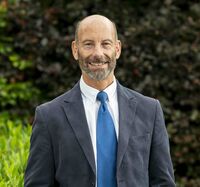
Dickon Posnett
Director of Corporate Affairs, Argent Energy
ABSTRACT: Biofuel production in the Netherlands and beyond
Coming soon...
BIOGRAPHY:
With a background in the legislative and regulatory affairs of renewable fuels since 2005, Dickon has been involved in biofuel policy development in the UK, EU, New Zealand and China. As Director of Corporate Affairs for Argent Energy his role includes working with all relevant industry groups and relevant government departments to assist in the continuous evolution of policy mechanisms aimed at decarbonising transport. Dickon is the current Chair of the EU Biofuel’s REACH Consortium, Board member of the waste-based biodiesel association EWABA, Chair of the Dutch biodiesel association NBAA and on the Board of the UK’s biofuel association RTFA as well as representing Argent in three other Dutch associations (NVDB, MVO and the Platform) as well as the UK’s Net Zero organisation Zemo, and the Jet Zero Council. Dickon is responsible for trade defence matters, working directly with DIT in the UK, and with the EU Commission through EBB. Dickon became Chartered Marketer in 2004 and heads up Argent’s marketing department.
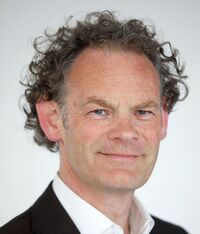
Mark Bressers
Managing Director, Dutch Emission Authority (NEa)
ABSTRACT: Compliance and enforcement of the Renewable Energy Directive (RED) in Europe
Coming soon...
BIOGRAPHY:
Mark Bressers is managing director of the Dutch Emissions Authority (NEa). The NEa is the independent authority for the implementation and monitoring of market-based climate policy instruments. In short, this means that we reduce the amount of greenhouse gases by pricing emissions and rewarding the use of bio renewable energy. Among other things, the NEa ensures that companies pay for their CO2 emissions through the European Emissions Trading System (EU ETS). The NEa is also responsible for the new sectors within the ETS, ETS2, CBAM and the implementation of the Renewable energy Directive (RED) in transport and industry. Prior to this, Mark Bressers was Policy Director for Digital Economy at the Ministry of Economic Affairs. In that role among other things responsible for the creation of the first national agenda for digital innovation and implementation. Prior to that, he held various management positions in policy and implementation, in which digitization, creating a competitive economy and improving public service always played an important role. Mark studied Public Administration and Organizational Science.
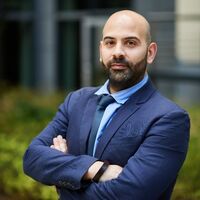
Domenico Mininni
Policy Director, European Biodiesel Board (EBB)
ABSTRACT: Biofuel policies across the EU and tools for fraud prevention
How have EU Member States transposed the REDIII into their national legislation?
What’s the future for the EU biofuel policy?
Expected biofuel demand driven by targets
The post-2030 Renewable Energy Directive
Mechanisms to fight against fraud: Regulation on biofuel certification & verification and UDB
BIOGRAPHY:
Domenico Mininni is an EU Public and Regulatory Affairs professional, and currently the Policy Director at the European Biodiesel Board (EBB), representing EU FAME and HVO producers. He dedicated his studies to international economics and politics in Italy and France, as well as EU policies in Brussels. During his 13-year career, he has always worked on EU transport and decarbonisation policies, both in Public Affairs consultancies and in business associations(NGVA Europe–the European Natural and bioGas Vehicle Association–and EUROMOT–the European association of internal combustion engine manufacturers).

Rohaise Low
Strategic Industry Expert, Fastmarkets
ABSTRACT: Global biofuel market developments and availability of waste and advanced feedstocks
This year has seen some significant shifts in global biofuel markets driven by policy developments in the US and EU, causing disruption to the feedstock sector. The question of “where are the feedstocks coming from” has been a part of the conversation for many years but as policies become stricter over origins and sustainability criteria that question only becomes more important.
This presentation will discuss the impacts of these key developments to the market and on the short-, and long-term effects on waste feedstocks.
BIOGRAPHY:
Rohaise Low is a strategic industry expert covering agricultural markets at Fastmarkets, supporting prices and analytics coverage across global agricultural markets. Prior to this she spent 15 years at LMC International/GlobalData as an economist working in the biofuels and feedstocks markets, analysing shifting policy and researching the waste feedstock market.

Raül Sanchis i Gonzàlez
Technoilogy
ABSTRACT: HVO/SAF production including pre-treatment of feedstocks
The increasing demand for Hydrotreated Vegetable Oil (HVO) and Sustainable Aviation Fuel (SAF) is accelerating the shift toward low-cost, waste-derived feedstocks such as Used Cooking Oil (UCO), Palm Oil Mill Effluent (POME), animal fats, acid oils, and Spent Bleaching Earth Oil (SBEO).
Waste oils typically contain elevated levels of contaminants, including water, solids, metals (Ca, Na, K, Fe), phosphorus, silicon, soaps, and high free fatty acid (FFA) content. If not adequately removed, these impurities can lead to fouling, corrosion, and rapid deactivation of downstream catalysts. Therefore, pretreatment performance is commonly defined by the ability to consistently achieve low ppm levels of key contaminants while maintaining high oil recovery.
This presentation will focus on advanced PTU configurations specifically designed for challenging feedstocks. The discussion will cover integrated process schemes combining filtration, degumming, neutralization, bleaching/adsorption, and drying steps, optimized to handle wide feedstock variability. Particular attention will be given to contaminant removal efficiency (e.g., metals and phosphorus reduction to sub-ppm levels), yield optimization, and minimization of chemical consumption and waste streams.
BIOGRAPHY:
Raul graduated in Business Administration with a Master's degree in Environmental Engineering. He has extensive experience in the biodiesel and edible oil industries. He has held senior positions in various companies within the oil industry and has managed numerous projects related to the production of biodiesel plants, biochemicals, refined oils, and waste treatment. He is currently working in the Sales Department of Technoilogy, developing new business and expansion opportunities in the biofuels and edible oils market.
WEDNESDAY 23 SEPTEMBER
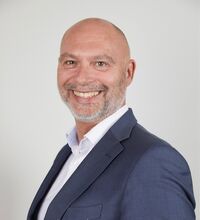
Ron van Noord
Secretary General, Netherlands Oils, Fats and Oilseeds Trade Association (NOFOTA)
ABSTACT:
Coming soon...
BIOGRAPHY:
Ron serves as Secretary General of the Netherlands Oils, Fats and Oilseeds Trade Association (NOFOTA), a contract body that develops, publishes and maintains internationally recognised standard contracts, and facilitates dispute resolution through arbitration.
In addition to his role at NOFOTA, Ron is a policy adviser at MVO, the Dutch Oils and Fats Industry association, where he focuses on food safety, animal by-products and supply chain issues. He also acts as Secretary General of the European Groundnut Association.
Prior to these representative roles, Ron built his career within the oils, fats and oilseeds trade and industry, gaining extensive sector experience.
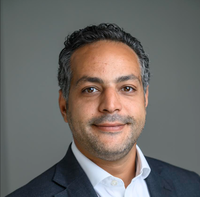
Karim El Afany
Regional Managing Editor EMEA Agriculture and Biofuels, Fastmarkets
ABSTRACT: Global vegetable oil market – current prices and future trends
The presentation examines the rapidly evolving global vegetable oils complex, where geopolitics, tightening supply fundamentals, shifting trade flows, and accelerating biofuel demand are reshaping price formation across global palm, soybean, rapeseed, and sunflower oils. Drawing on Fastmarkets price assessments and analytics, the session will showcase developments in historical spot prices across major vegetable oils as well as waste-based oils such as Used Cooking oil and Animal Fats, and what do the recent updates in biofuel policy across the Americas, Europe, and Asia mean for global edible and non-edible oil market fundamentals. Together, these policies are pulling feedstock into energy markets at unprecedented pace, compressing food-versus-fuel spreads and incentivising substitution between oils.
The presentation will also touch upon recent Fastmarkets price launches and price assessment methodology, how do price reporting agencies help provide transparent pricing benchmarks to support risk management and contract settlements, illustrating how physical and derivative markets interact in an increasingly volatile market.
BIOGRAPHY:
Karim El Afany leads the EMEA Agriculture and Biofuels editorial pricing team at Fastmarkets. Prior to this, Karim spent six years at S&P Global, where he managed and developed pricing benchmarks across agriculture, biofuels, European natural gas, and LNG markets. Earlier in his career, Karim worked as an investment and equity analyst in the finance industry, covering Middle East-listed fertilizers, chemicals, and refining companies.

Artem Hammerschmidt
Head of Vegoils and Biofuels Research, Cefetra Analytics/ Cefetra Group, the Netherlands
ABSTRACT: The vegetable oil outlook – what are the key impact drivers for the oils, fats and oilseed markets
The start of the war in the Middle East has sent shockwaves through global energy markets, eroding the premiums that major vegetable oils had maintained over fossil fuels for much of the past two years. At some point, prices of fossil fuels even exceeded those of vegetable oils, prompting a reassessment of the role of biofuels, which are now seen as a more cost-effective alternative to fossil fuels in several key countries. Not that the world has been lacking incentives to expand biofuel production before, but the war in the Middle East has clearly strengthened the economic case for biofuels, eventually improving the demand outlook for oils & fats.
We calculate that demand for major oils & fats as feedstock for biomass-based diesel in the nine key countries will rise by 8 Mt in 2026 and by an additional 6-7 Mt in 2027. As against this, we estimate production growth to slow down and fall considerably short of prospective requirements. This is expected to result in a pronounced reduction of stocks and a tightening of global export availability of oils & fats.
While soybean crushings are expected to expand sharply in North and South America, rising domestic biofuel consumption is likely to reduce export availability of soybean oil for the second consecutive season. At the same time, Indonesia’s B50 program, combined with the growing probability of El Niño, is expected to significantly curtail palm oil exports. Global rapeseed & canola balances are also expected to tighten amid declining production prospects in Canada and Australia, rising crush capacity in North America and growing demand for rapeseed oil from the biofuel sector. By contrast, sunflower oil markets may gradually loosen in 26/27 on expectations of recovering Black Sea sunseed production.
BIOGRAPHY:
Artem Hammerschmidt heads biofuels and feedstock research at Ceras Analytics, the market intelligence arm of Cefetra Group in Rotterdam, the Netherlands -- a leading global supplier of agricultural raw materials to the food and energy sectors worldwide with more than 120 years of experience in international trade.
Artem joined Cefetra Group in October 2021, specializing in the global markets for vegetable oils and biofuels. His primary role is to forecast supply, demand and prices of palm oil, soyoil, sun oil and rape oil with the key focus on the world markets of biodiesel (FAME), renewable diesel (HVO) and sustainable aviation fuel (SAF). Artem is responsible for identifying current and prospective disparities in supply and demand of vegoils and biofuels to build successful trading strategies and minimize risks.
He is a regular participant in agriculture and energy industry events, presenting his research findings to international trading houses, food and feed manufacturers, energy companies, consultancy firms, and hedge funds across the U.S., Europe, and Asia.
Prior to his current role, Artem spent more than 10 years at a research company in Germany, consulting clients in the oilseed, vegetable oil and oilmeal space in more than 100 countries.
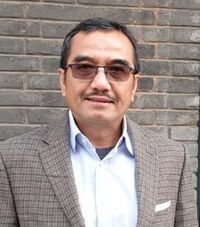
Dr Fadhil M. Hassan
Senior Economist and Head of Foreign Affairs Division, Indonesian Palm Association (GAPKI)
ABSTRACT: The impact of the EU-Indonesia trade deal and palm oil’s role in supplying the world
The presentation discusses the challenges and opportunities of the Indonesian palm oil industry on the implementation of EUDR which will be started on January 2026. In the first section we discuss the readiness of the industry in compliance with EUDR and the impact of that compliance to the industry, especially smallholder farmers. The second section explains trade and industry led sustainability efforts in the context of EUDR. The third section briefly describes the Indonesian strategy addressing the implementation of EUDR. We conclude that the implementation of EUDR will have positive as well negative impact to the industry in the mid of declining Indonesian exports to the EU.
BIOGRAPHY:
Dr. Fadhil Hasan is the Senior Economist and Head of the Foreign Affairs Division at the Indonesian Palm Oil Association (GAPKI). He currently also serves as a member of the National Energy Council.
Over the course of his career, Dr. Hasan has held a number of prominent positions, including Executive Director of GAPKI from 2009 to 2017, Director of the Institute for Development of Economics and Finance (INDEF), Director of Standardization and Smallholder Development at the Council of Palm Oil Producing Countries (CPOPC), member of the National Committee for Economy and Industry (KEIN), Chairman of the Supervisory Board of Bank Indonesia, and Director of Corporate Affairs at Asian Agri Group.
Dr. Hasan graduated from Bogor Agricultural University. He earned his Master of Science degree from Iowa State University, USA, and his Ph.D. in Agricultural Economics from the University of Kentucky, USA.

Kesih van den Berg
Senior Business Manager Bulk Cargo & Shipping, Port of Rotterdam Authority
ABSTRACT: Strategic position of Dutch ports in the oils and fats markets
Coming soon...
BIOGRAPHY:
Kesih is an experienced logistics and maritime professional with over two decades of expertise across supply chain management, commercial operations, and the international bulk cargo sector. For the last ten years she serves as Senior Business Manager Bulk Cargo & Shipping at the Port of Rotterdam Authority, Europe’s largest port and a global hub for liquid, dry bulk and biggest position in bio.
In her role, Kesih manages strategic relationships with charterers, shipping companies, and port agents, shaping commercial development in both the dry and liquid bulk markets. She is responsible for all Ship‑to‑Ship operations at the Port of Rotterdam’s owned assets and plays a key role in evaluating and implementing new regulatory frameworks—translating evolving legislation into safe, efficient, and future‑proof port operations.
Kesih’s career spans sales, procurement, logistics services, and marketing within the chemical and inspection industries, giving her a broad and practical understanding of integrated supply chains. She holds a bachelor’s degree in Management, Economics & Law with a specialization in Law.
Loek Favre
Strategy and Innovation Adviser
BIOGRAPHY:
Loek Favre is an accomplished Strategy and Innovation Advisor with over three decades of leadership experience at the intersection of agribusiness, food innovation, and industrial policy. Known for his capability to bridge corporate interests and sustainable sector developments, he serves as an expert facilitator and moderator for high-level industry dialogues.
Loek built a distinguished corporate career at Bunge Loders Croklaan (formerly IOI Loders Croklaan), a global leader in agribusiness and specialized food ingredients. Alongside his corporate leadership, he was a pivotal figure in sectoral governance, serving for nearly eight years (2014–2021) as the Chairman of MVO — the Dutch chain organization for oils and fats. Loek holds a PhD degree in Chemistry from Leiden University.
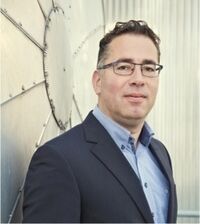
Erik Schweitzer
Director Process Excellence, Bunge Europe
ABSTRACT: Lowering Bunge's carbon footprint while meeting global demand for food
This presentation will cover a view to the opportunities for decarbonisation in the vegetable oil processing industry, covering available technologies for energy transition, global availability of green energy sources, taxation and subsidies and economic aspects. From the presentation will follow that transition to green energy sources is, both technically and economically, feasible to reduce the carbon footprint in our industry, only depending on our mindset.
BIOGRAPHY:
Erik Schweitzer has been working in the edible oil industry for more than twenty five years in various technical management roles. As director Process Excellence, he is now responsible for the performance improvement of the 25 site locations of Bunge in Europe, including decarbonization of the largest vegetable oil refinery and fractionation plant in Europe. This new facility includes all technologies for energy transition to be completely carbon neutral in the future. Based on this experience, a generic view to energy transition for the edible oil industry will be presented.
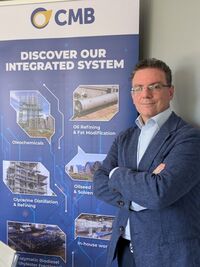
Gabriele Bacchini
Global Sales Director, CMB
ABSTRACT: Solutions and choices towards the lowering of carbon footprints in oils and fats processing and refining facilities
In an evolving world, characterised by growing demands to reduce the carbon footprint, the Oil & Fats Refining sector must be ready to respond promptly.
Drawing on practical examples successfully applied to existing industrial plants, this presentation will explore some of the options that new and existing plants can adopt, to efficiently implement a robust solution.
A more detailed focus will be placed on the refinery’s vacuum system, which typically accounts for a significant portion of the refinery’s carbon footprint, providing a comparison of various available options for a more comprehensive study, including the detailed results of such studies.
BIOGRAPHY:
Gabriele is the Global Sales Director of CMBS.p.A. He started his experience in Oil & Fats and Oleochemicalsin2004, when he started as process engineer in Desmet Ballestra Oleo. He covered several process and management positions in Desmet Ballestra Oleo, up to the position of Oleochemical Product Manager in the period 2009-2016.In the period 2016–2019, Gabriele was part of the Maire Tecnimont Group, covering several roles within the green chemistry branch of the Group. Mr. Bacchini is specialized in Oleochemical and Biodiesel, having executed as project manager some of the most important Fatty Acids, Fatty Alcohols and Biodiesel projects executed in China and Southeast Asia, actively contributing to the successful execution of such projects. Gabriele has a Laurea Magistralis in Chemical engineering from University “La Sapienza” in Rome.
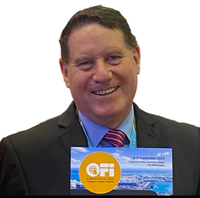
Dr. Patrick Howes
Technical & Marketing Director, NATURAL BLEACH SDN BHD
ABSTRACT: The importance of optimising degumming and bleaching conditions in vegetable oil production
In the physical refining of crude palm oil, degumming and bleaching serve as the critical milestones for ensuring final product quality and stability. Together, these stages eliminate the specific impurities that cause off-flavours, poor colour, hazardous spitting and foaming during frying, and compromise long-term shelf life. By mastering these processes, refiners can produce a premium oil that is crisp, bright, and nutritionally wholesome, free of harmful components and optimized for an extended shelf life.
This presentation examines the underlying chemistry of these refining stages, highlighting how both plant design and specific operating parameters can be fine-tuned to maximize impurity removal. We evaluate the performance of common degumming agents, such as citric and phosphoric acids, alongside various natural and acid-activated bleaching earths and their functional blends with activated carbons. Throughout this analysis, we assess the delicate trade-offs between their chelative, adsorptive, and catalytic properties.
Furthermore, we explore the critical role of catalytic activity in the formation of 3-MCPDs, phosphorylation, and its impact on molecular structural changes, including cis-to-trans isomerization and double-bond shifts. By connecting these chemical reactions to practical outcomes, this review provides a strategic framework for selecting the optimal materials and processing conditions necessary to achieve high-quality, cost-effective refined oil.
BIOGRAPHY:Dr Pat Howes graduated from Salford University, Manchester, UK in 1981, earning a Ph.D. in Chemistry of zeolites, which studies were sponsored by Laporte Industries. Joining UMP, a UOP/Johnson Matthey JV where he developed absorbents and catalysts for organic and in organic systems, including air purifiers for submarines and escape smoke hoods for use in aircraft and deep mines, and a catalyst system for hydrogen-powered vehicles. In 1984 Pat joined Laporte Industries clays division, working in process and product development of bleaching earths and adsorbent systems for the refining of edible oils and other applications, and providing technical support to Laporte’s bleaching earths business worldwide. Pat joined Natural Bleach Sdn Bhd in 1998 as Technical & Marketing Director and has been instrumental in the development and marketing of activated carbon blended bleaching earths for use in everyday refining.

Bob Duijnhouwer
Senior Advisor, Chemical Safety of Food, the Netherlands Food and Consumer Product Safety Authority (NVWA)
ABSTRACT: The Netherlands Food and Consumer Product Safety Authority (NVWA) - Success of the new Dutch Policy on MOSH/MOAH
The Netherlands Food and Consumer Product Safety Authority (NVWA) is the competent authority in the Netherlands to oversee food business operators and to enforce when necessary. Although food safety is the primary responsibility of the food business operator, the NVWA also has an important role when it comes to for example setting new limits in relation to availability of raw materials for food production. This balance is a critical one, since food safety is of utmost importance, nevertheless food availability and limiting food waste is of increasing concern considering climate change en geopolitical challenges.
In this presentation the NVWA will explain their vision on surveilling food safety and chemical food safety especially. We will explain how the process of setting action limits and ML’s for MOAH evolved and what the benefit of data sharing can be. Finally, we will focus on sampling and measuring MOAH and the challenges that may occur while doing this.
BIOGRAPHY:
Bob Duijnhouwer holds a Bachelor’s degree in Analytical Chemistry as well as a Bachelor of Education. His experience across various laboratory sectors — including the pharmaceutical industry, chemical industry, and food safety — and in a range of professional roles has provided him with extensive expertise in the field of analytical chemistry.
After specializing in residues and contaminants in food, Bob joined the Netherlands Food and Consumer Product Safety Authority (NVWA) as a Senior Inspector within the expertise team. This role perfectly combines his strong background in analytical chemistry and food safety with his passion for sharing knowledge and expertise.
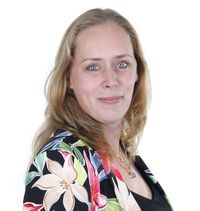
Els Biesta-Peters
Coordinating Senior Inspector, the Netherlands Food and Consumer Product Safety Authority (NVWA)
ABSTRACT: The Netherlands Food and Consumer Product Safety Authority (NVWA) - Success of the new Dutch Policy on MOSH/MOAH
The Netherlands Food and Consumer Product Safety Authority (NVWA) is the competent authority in the Netherlands to oversee food business operators and to enforce when necessary. Although food safety is the primary responsibility of the food business operator, the NVWA also has an important role when it comes to for example setting new limits in relation to availability of raw materials for food production. This balance is a critical one, since food safety is of utmost importance, nevertheless food availability and limiting food waste is of increasing concern considering climate change en geopolitical challenges.
In this presentation the NVWA will explain their vision on surveilling food safety and chemical food safety especially. We will explain how the process of setting action limits and ML’s for MOAH evolved and what the benefit of data sharing can be. Finally, we will focus on sampling and measuring MOAH and the challenges that may occur while doing this.
BIOGRAPHY:
Els Biesta-Peters has a bachelor degree in Food Technology, a master degree in Food Safety and a Ph.D. degree in Food Microbiology. She has been working as a Coordinating Inspector for the Netherlands Food and Consumer Product Safety Authority (NVWA) in the field of chemical and microbiological safety of food products since 2022. She joined the NVWA in 2011 and has experience with scientific research, method development and running monitoring programs, specifically in the field of veterinary medicinal products in products of animal origin. She was Project Leader for development, implementation and performance of molecular and classical microbiological methods as well as investigation and management of food borne outbreaks.

Nor Shaza Abdul Rahim
Senior Scientists, SD Guthrie International
ABSTRACT: MOSH/MOAH Mitigation in Practice
Mineral oil aromatic hydrocarbons (MOAH) remain a key focus for the edible oils and fats industry, particularly in high‑safety applications, where expectations continue to evolve alongside scientific understanding and customer requirements. From an industry perspective, managing MOAH is not a single intervention but a continuous, risk‑based effort across the value chain: from raw material sourcing and process design to storage, handling, and logistics. This session presents practical, experience‑based insights from SD Guthrie on how MOAH risks are systematically identified, monitored, and mitigated through integrated preventive controls, data‑driven monitoring programmes, and systems that support product assurance. A strong emphasis is placed on cross‑functional collaboration across suppliers, operations, and laboratories to enable consistent and scalable control strategies. While progress has been made, compliance alone is not sufficient. Effective MOAH management increasingly depends on transparency, data integrity, and shared responsibility across the entire supply chain.
BIOGRAPHY:
Nor Shaza Abdul Rahim (Shaza) is a Senior Scientist at SD Guthrie International, specializing in oils and fats quality, food safety, and contamination control. She supports technical evaluations, quality investigations, and cross-functional initiatives across the supply chain, with experience in managing MOSH/MOAH risks and implementing practical mitigation measures. Her work focuses on translating technical requirements into effective operational solutions that strengthen product quality and compliance.
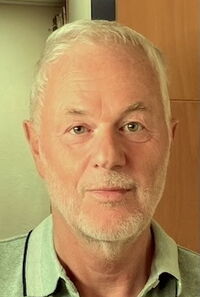
Dr Leendert Wesdorp
Chairman, Benelux Lipid Network
ABSTRACT:
Coming soon...
BIOGRAPHY:
Leendert Wesdorp has broad experience in food science and food process technology, with a particular focus on oils, fats, emulsions and oleochemicals. He cares deeply about improving people's well-being and passing on a healthy planet to the next generation.
He started his career teaching chemistry in Lesotho, then spent many years in R&D at Unilever in Europe and the USA, working across a range of roles in oils, fats and related areas, lastly as Vice-President R&D for Dressings, Baking, Cooking Products & Spreads.
Since 2016 he has been advising food companies on technology and R&D strategy. He is Chairman of the Benelux Lipid Network and is involved in setting up a short supply chain local food cooperative.
Leendert studied physical chemistry and chemical engineering at the Vrije Universiteit Amsterdam and the University of Amsterdam, and holds a PhD in Chemistry from Delft University of Technology.

Kevin Shadlock
Sales and Business Development Manager – Specialty Group, CPM Crown
ABSTRACT: Clean oilseed extraction - a new commercial alcohol-based solvent extraction technology
Coming soon...
BIOGRAPHY:
Over 27 Years of diversified Sales, Business Development, Project Management, and leadership experience with the last 8 years in the Oilseeds Industry. Building strong relationships with customers around the globe specializing in Plant Based Protein Technologies providing ‘value add’ opportunities to for new & existing product lines, processes and upcoming innovations focusing on Plant Based Proteins and R&D opportunities.
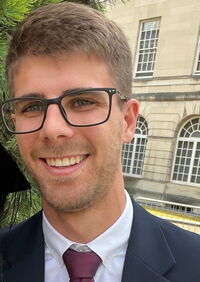
Ben Bates
Technical Manager, New Holland
ABSTRACT: Meeting the demand for alternative extraction methods in niche markets, specialty oils and the cosmetics sector
Coming soon...
BIOGRAPHY:
Ben Bates is the technical manager at New Holland Extraction, the production facility of De Wit Speciality Oils, with a chemical engineering background from Loughborough university in the UK, graduating with a first-class honours.
At New Holland Extraction they have worked on a wide range of projects from cost reduction, efficiency improvements, long-term site improvements and development of our future alternative solvent project. He has qualified as a continuous improvement practitioner while being at New Holland Extraction, helping him blend lean thinking and methodology with core skills to drive for efficiency and production improvements such as utility usage reductions and process improvements.
A key project has been focussing on adapting an existing hexane solvent extraction plant for more environmentally friendly alternatives such as EcoXtract. Their work centres on applying practical engineering solutions to real-world challenges combined with novel developments using pilot and laboratory scale. Using the findings gained from small scale experimentation and being able to scale up into an industrial process. At this conference, they will be sharing insights on the use of a green alternative solvent for seed oil extraction, drawing from their hands-on experience and challenges encountered.
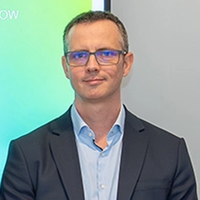
Christian Ziemann
Head of Market Segment Oil & Biomass, Bühler Group, Switzerland
ABSTRACT: Meeting global demand for protein – innovative soya extraction technology
Global demand for high-quality protein continues to rise, driven by population growth, changing diets, and the need for more efficient and sustainable food and feed systems. Soya remains one of the most important protein sources worldwide, and its processing plays a key role in supporting reliable, scalable, and resource-conscious protein production.
This presentation will provide a broad overview of how innovative soya preparation technologies can contribute to meeting future protein needs. It will look at the wider processing value chain and highlight how each step can influence efficiency, product quality, flexibility, and overall performance. The session will also touch on current market drivers, sustainability considerations, and the increasing importance of optimizing processes to create more value from raw materials.
Rather than focusing on one single technology or process step, the talk will explore the broader opportunities available to processors as they respond to evolving industry requirements. Delegates can expect insights into how modern approaches to soya processing can support improved productivity, consistent results, and future-ready protein supply chains.
The presentation is intended for anyone interested in the role of processing innovation in addressing global protein demand, from raw material handling through to value creation in food and feed applications.
BIOGRAPHY:
Christian Ziemann heads the global Oilseed and Biomass Processing segment at Bühler AG in Uzwil, Switzerland. His work centers on the process technology behind oilseed preparation and downstream processing for soy, rapeseed and sunflower, working with processors and equipment partners across international markets.
Before taking on the oilseed segment in 2020, he led Bühler's Animal Feed product management and earlier built his background in environmental and bioenergy plant engineering. He is a graduate engineer with additional qualifications in business administration (MBA) and commercial law (LL.M.).
Jeroen Hugenholtz
Co-Founder and Chief Scientific Officer, NoPalm Ingredients
ABSTRACT: Sustainable oils and fats, created responsibly by biotechnology
NoPalm Ingredients has developed a scalable fermentation process for the production of sustainable oils that can replace the popular palm oil and many other vegetable oils. Palm oil has become the most used plant-derived oil in food and cosmetic applications (it is found in more than 50% of all supermarket products), its use is increasing by 4% annually and this is still leading to enormous losses of tropical forests and contributes 2.5% of annual CO2-emmissions. The company uses wild-type oleaginous yeasts that are commonly found in nature and that are able to produce the same triglycerides as found in plant-derived oils under specific fermentation conditions. By using sidestreams (waste) from the food industry as feedstock for growth and oil production by the yeast, a very sustainable production process is achieved with more than 96% reduction in Carbon Footprint versus palm oil production, 99% reduction in land use and local production of the oil instead of long-distance transportation (from South-East Asia/South America/Africa to Europe or North America). NoPalm Ingredients has recently demonstrated that the fermentation process is scalable to the industrial scale of 100000L and will now be able to provide their preferred clients with industrially relevant volumes of oils so drop-in replacement of palm oil and other oils can be tested in practice. The First of A Kind (FOAK) demofactory will be set-up in the Netherlands starting Q1 2027, to be fully operational in Q3 2027, and many commercial factories are expected to follow on-site of large food processing facilities (co-location).
BIOGRAPHY:
Jeroen Hugenholtz is co-founder and Chief Scientific Officer of NoPalm Ingredients BV. This company was founded in 2021 to develop a sustainable replacement for palm oil. The sustainable alternative is produced by fermentation using oil-producing yeasts, which are cultivated on locally available sidestreams from the AgriFood industry. This can be food waste, but also residuals generated during primary harvesting of crops or generated during processing of fruit/vegetables such as vegetable-cuttings, potato peels and brewer’s spent grain.
JH has a lifelong background in fermentation technology working for applied research institutes such as NIZO food research and Wageningen Food & Biobased Research but also working for the food and beverage industry such as Coca-Cola, Corbion and the Dutch dairy industry. Currently, JH still holds the (part-time) Professor Chair of Industrial Molecular Microbiology at the University of Amsterdam.
